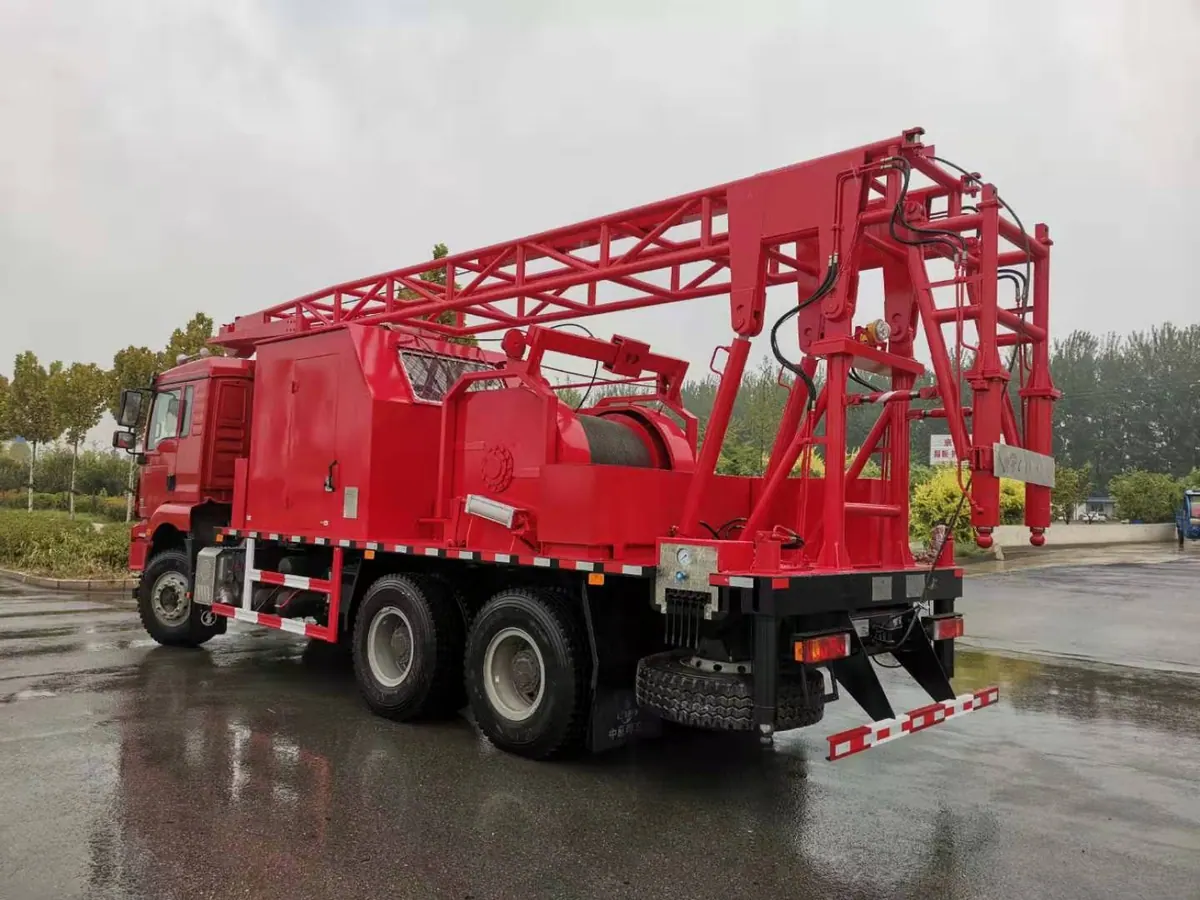
Start with the existing well arrangement
Provide the completion and surface equipment information relevant to the intended support task, including controlled drawings and the components proposed for reuse. Identify what is known and what requires survey or specialist confirmation. The selected pumping method must fit the actual well and project duty. A broad description such as artificial-lift truck does not establish the correct mechanical connection or operating arrangement for every existing installation.
Keep different mechanisms distinct
Where rod-pump support, a rotating drive or direct fluid transfer is being considered, request a separate technical response for each proposed arrangement. State the relevant output, load, speed or motion requirements and their duration. Do not compare unlike mechanism ratings as if they described the same function. Ask the supplier to identify which configuration it can support and any engineering or equipment changes required before an alternative can be accepted.
Coordinate driver and transmission capability
Request the complete power path from the selected source through transmission and auxiliaries to the output interface. Identify operating limits, supported speed range and dependencies such as lubrication or cooling. A headline engine power or maximum torque does not demonstrate that every required operating case is supported together. Keep the proposed mechanism and drive selection linked so a change in one triggers review of the other.
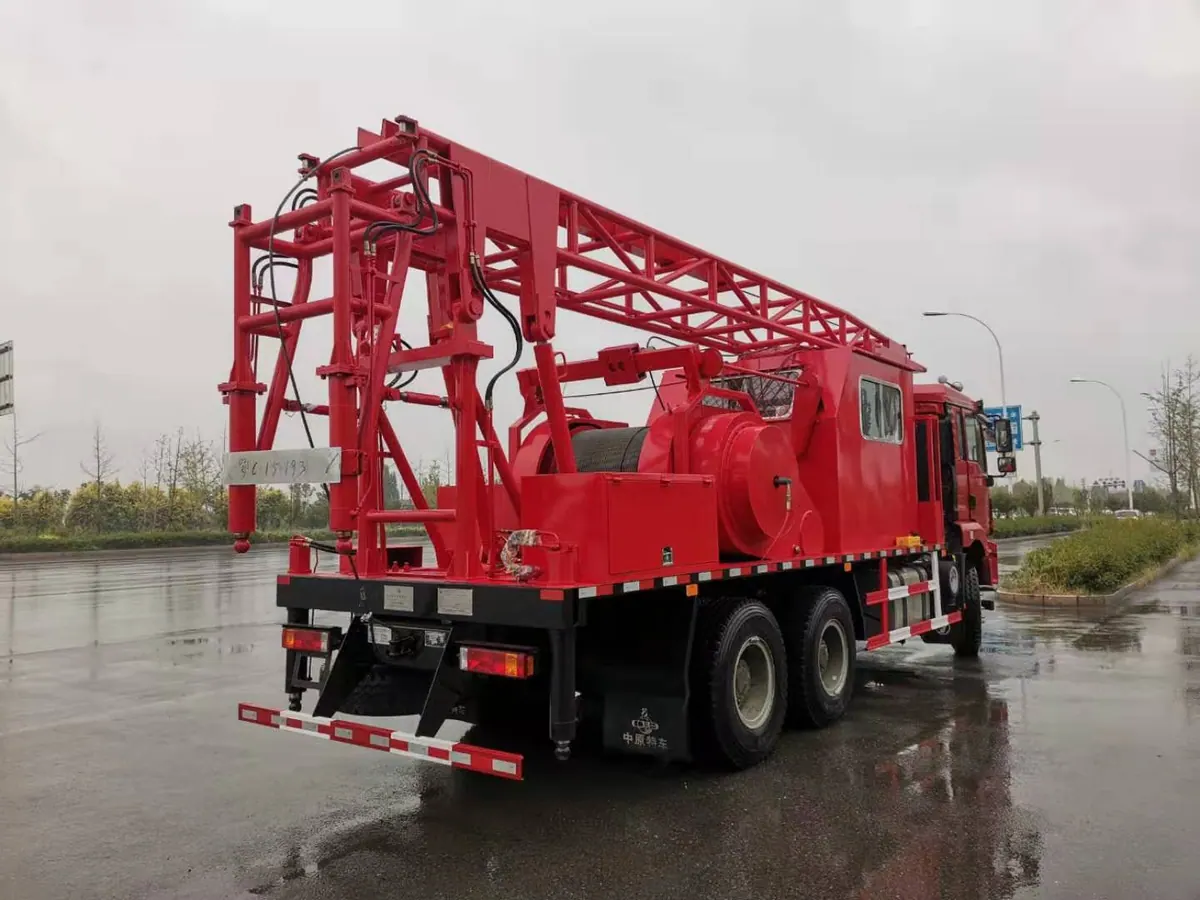
Define control and protective interfaces
Ask for the supported operating modes, measured variables and required protective functions for the actual arrangement. Identify the boundary between truck controls, existing well equipment and site systems. Do not assume that a general automatic-control description establishes every response needed by the project. The responsible suppliers and project designers should agree the functions and verification method without transferring settings or procedures from an unrelated pumping configuration.
Approve a configuration-specific evidence set
Request the selected mechanism drawings, interface review, duty confirmation and applicable inspection and test scope. Identify what can be verified in the factory and what depends on site equipment or well conditions. Keep alternatives and exclusions explicit. A reference photograph or a component catalogue can support identification, but it should not replace the coordinated technical response and documents required to accept the actual assembled truck for the intended well.
Treat a pumping-method change as an engineering change
Record the accepted method, mating equipment, mechanical duty and supporting systems in the purchase specification. Where the supplier proposes another mechanism or drive, review consequences for connections, controls, vehicle loading, spares and verification before approval. Keep any claimed multi-function capability itemized rather than assuming that one delivered arrangement includes all alternatives. This creates a usable configuration record for procurement, handover and future replacement decisions without implying universal compatibility or an unrestricted operating envelope.
Put these items side by side in the bid review
| Purchase item | Question to resolve | Evidence to request |
|---|---|---|
| Method | Which mechanism is selected? | Configuration-specific technical response |
| Drive | Are all required cases supported? | Coordinated power-path review |
| Interfaces | What changes does an alternative require? | Accepted drawing and deviation register |
Suggested wording for the quotation request
Please identify the pumping or production-support method proposed for the attached well arrangement. Review the required output and mechanical duty, mating interfaces, available power and operating duration. Define the selected drive, transmission, auxiliaries, controls and protective interfaces. State supported limits, required modifications, verification evidence and site-dependent checks. Quote alternative methods separately and do not imply that every offered mechanism is included in one base truck configuration.
Review the mobile truck as a defined production-support package, not as an automatically complete well-testing station. Identify the selected pumping method, drive interfaces, mechanical duty, fluid path and external receiving equipment. Separation, custody measurement, gas handling and other site services require their own reviewed scope when needed. Keep drawings, load cases, utilities and acceptance records tied to the ordered configuration. Installation and operation must follow supplier instructions and approved site procedures; a purchasing comparison does not replace the project engineering or authorize a different well duty.
For the wider equipment scope, consult the Mobile Oil Production Truck: Uses and Operation. Use the RFQ checklist to collect the supporting documents before requesting a configuration-specific quotation.
Buyer questions
Can one capacity number compare different pumping methods?
No. Compare the relevant mechanical and fluid duties, interfaces and duration for each specifically selected arrangement.
Does a multi-function description establish included equipment?
No. Each supported function and its required components, controls and limitations must be identified in the offer.
Background and supplier contact
Artificial-lift application background offers related background, not certification of the equipment in a quotation. Applicability must be checked for the project and destination.
Explore the mobile oil production support truck, browse all technical resources, or visit Vance Petroleum for company information. Request a production-support proposal with the well duty, drive requirements and external handling scope.