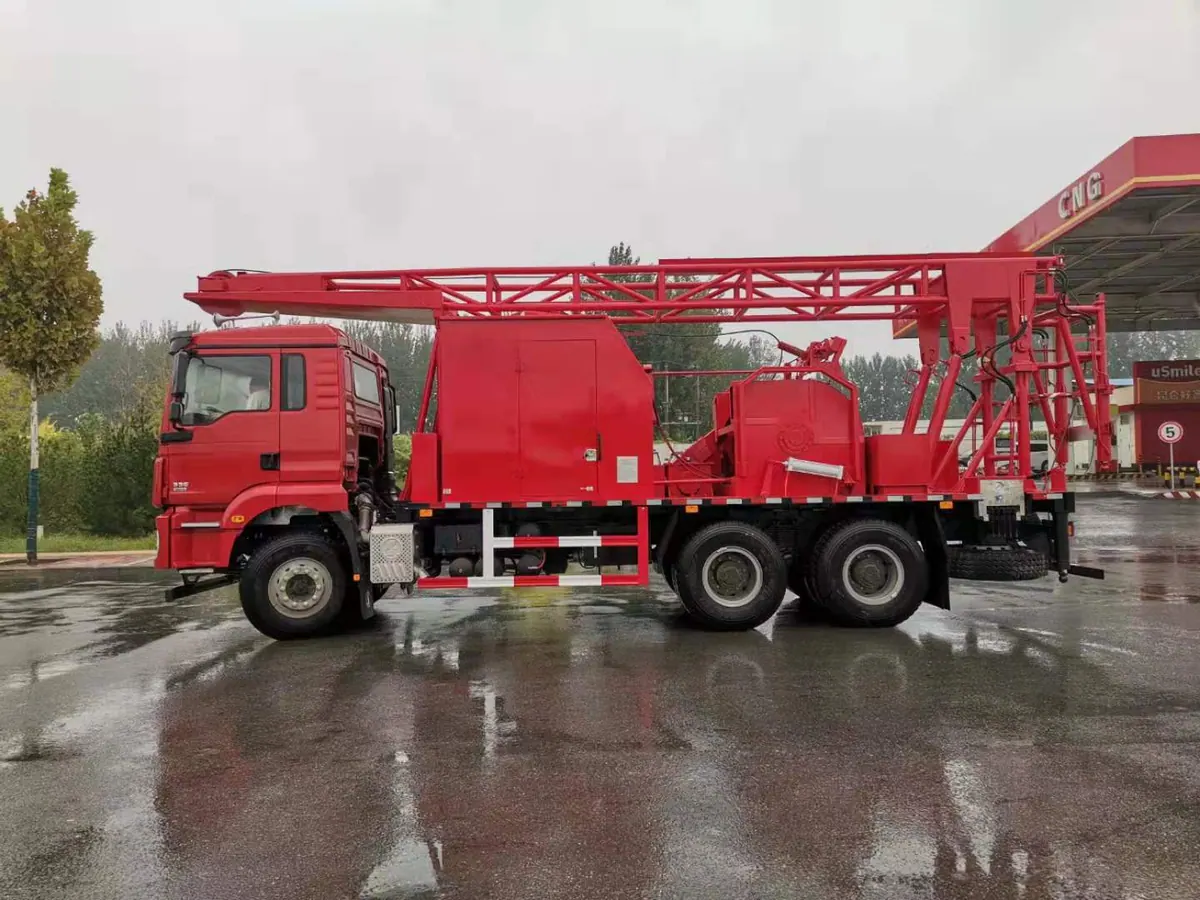
Identify the proposed power path
Ask for the selected power source, PTO or other coupling arrangement, transmission and output connection on a controlled drawing. State whether the truck chassis engine supplies the mechanism or a separate source is proposed. Identify every component and the supplier responsible for its selection. A general diesel-powered description leaves important interfaces unresolved and does not show which shaft, speed or operating mode a quoted power or torque figure describes.
Provide torque, speed and time together
Submit the load and output requirements for normal operation, starting, reduced operation and other relevant cases. Define the shaft boundary and duration for each figure. Ask the supplier to confirm the supported combinations rather than presenting separate maximum values. A transmission selected for an intermittent load or one speed should not be assumed suitable for sustained service or another power path without the required configuration-specific review.
Include auxiliaries and site conditions
Identify power used by cooling, hydraulic or other auxiliary systems in the proposed arrangement. Provide ambient and installation conditions relevant to the selected driver and supporting equipment. Ask which assumptions affect usable output at the required interface. A catalogue engine rating is not automatically the available pumping-drive rating after the complete power path and auxiliary demands are included in the agreed operating assessment.
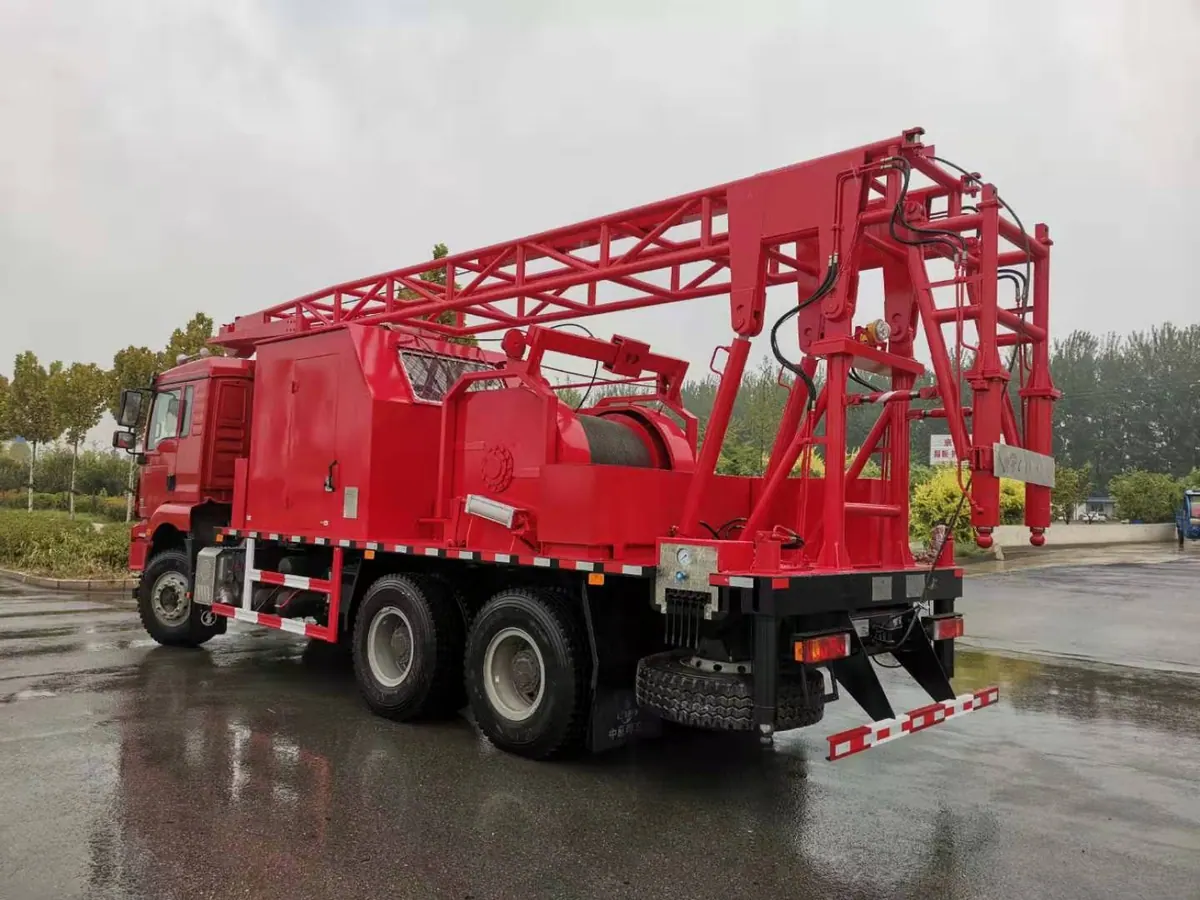
Confirm engagement and operating restrictions
Request the supported engagement, selection and stopping conditions from the responsible equipment suppliers. Distinguish selectable ratios from a verified ability to change operating state under a particular load. Do not turn a multiple-speed description into an unrestricted shifting claim. Keep the control interfaces, guards, lubrication and operating instructions applicable to the supplied arrangement identified before the equipment is accepted and site procedures are prepared.
Specify evidence for the assembled arrangement
Agree inspection, interface verification and the test scope appropriate to the selected PTO, transmission and mechanism. Identify what a no-load run establishes and what needs load-related evidence or further assessment. Request records linked to the actual supplied configuration, plus service information and replacement identifiers. Where component substitutions are proposed, require review of their effect on the whole power path rather than accepting a nominal rating match alone.
Keep shaft boundaries visible in the bid table
For each bidder, record where power and torque are defined, the associated speed, duration and supporting-system assumptions. Compare the accepted output available to the selected mechanism rather than unrelated component maxima. List changes required in the chassis, controls, cooling or mounting and assign them before purchase. Preserve the approved power-path drawing through manufacture and commissioning so later modifications do not silently alter the conditions on which the original drive selection depended.
Put these items side by side in the bid review
| Purchase item | Question to resolve | Evidence to request |
|---|---|---|
| Output | At which shaft and operating case is it rated? | Accepted torque-speed-duration schedule |
| Conditions | What auxiliary and site assumptions apply? | Complete power-path selection |
| Evidence | Which loaded cases are supported? | Configuration-specific verification plan |
Suggested wording for the quotation request
Please select the PTO and transmission arrangement for the proposed oil production support mechanism using the attached shaft loads, speeds and duration cases. Identify the complete power path, auxiliary demand, accepted site conditions and supported engagement states. Provide interface drawings, operating restrictions, lubrication and cooling requirements, applicable inspection and load-related evidence, service references and a deviation list covering any changes to the offered chassis or mechanism.
Review the mobile truck as a defined production-support package, not as an automatically complete well-testing station. Identify the selected pumping method, drive interfaces, mechanical duty, fluid path and external receiving equipment. Separation, custody measurement, gas handling and other site services require their own reviewed scope when needed. Keep drawings, load cases, utilities and acceptance records tied to the ordered configuration. Installation and operation must follow supplier instructions and approved site procedures; a purchasing comparison does not replace the project engineering or authorize a different well duty.
For the wider equipment scope, consult the Mobile Oil Production Truck: Specs and Sizing. Use the RFQ checklist to collect the supporting documents before requesting a configuration-specific quotation.
Buyer questions
Can engine nameplate power be treated as mechanism output?
No. The complete power path, speed, auxiliary demand, operating conditions and applicable limits must be reviewed.
Do multiple ratios prove under-load shifting capability?
No. Supported engagement and selection conditions must come from the suppliers for the actual arrangement.
Background and supplier contact
OSHA oil and gas extraction guidance offers related background, not certification of the equipment in a quotation. Applicability must be checked for the project and destination.
Explore the mobile oil production support truck, browse all technical resources, or visit Vance Petroleum for company information. Request a production-support proposal with the well duty, drive requirements and external handling scope.