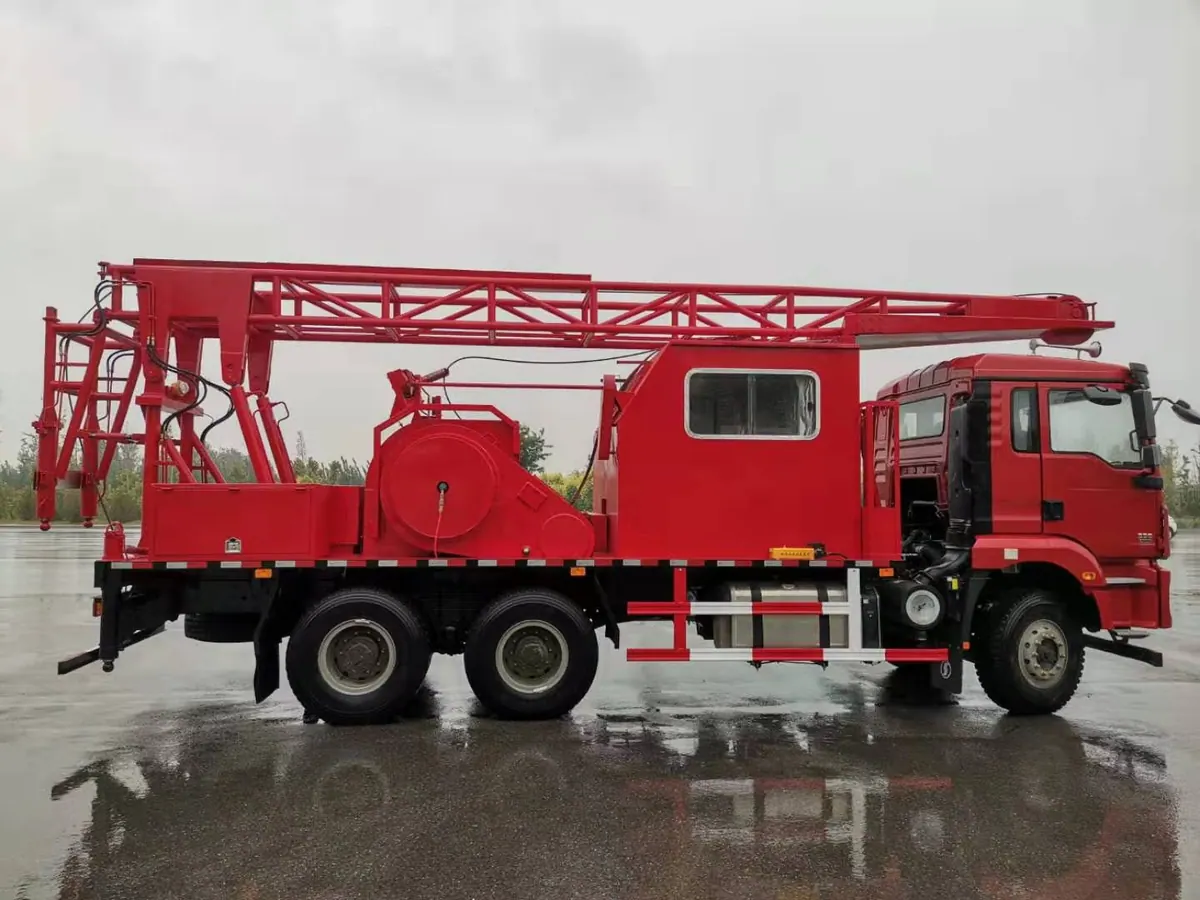
Define what the hydraulic system actually drives
Identify the selected mechanism and each hydraulic function included in the truck proposal. Provide its required operating cases and distinguish continuous work from positioning or intermittent auxiliary use. Ask the supplier for a circuit and equipment schedule referencing the actual configuration. A general hydraulic-powered description does not show which functions can operate together or which loads and limits have been considered for the supplied arrangement.
Include the full operating cycle
State normal work, reduced operation, starting, standby and stopping conditions with expected duration. Identify combined demands from auxiliaries and changes in well duty. Ask how the offered system supports these states and what restrictions apply. A short demonstration at one load cannot establish thermal suitability for an extended campaign, especially when the hydraulic arrangement or operating sequence differs from the conditions used for preliminary component selection.
Provide ambient and installation constraints
Give the relevant ambient range, available ventilation, dust exposure and any enclosure or service-space restrictions. Ask the supplier to identify cooling equipment and the conditions required for its selection. Keep dependencies on external power, service water or site airflow explicit where applicable. An arrangement evaluated in an open factory setting should not be assumed equivalent to a more restricted or hotter installation without the responsible thermal review.
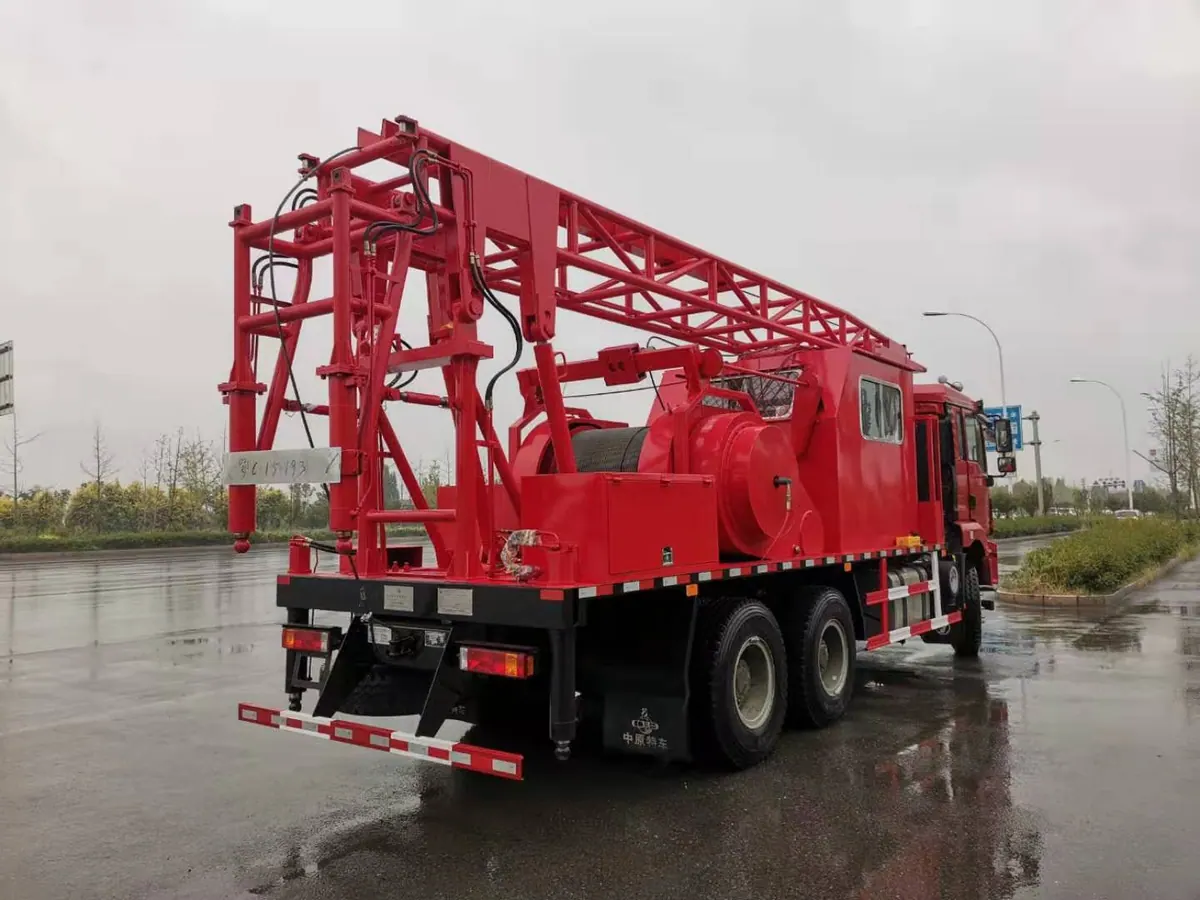
Define fluid, filtration and monitoring scope
Request the approved hydraulic-fluid requirements, filtration arrangement, service references and relevant monitoring and protective interfaces. Identify initial fill, replacement elements and purchaser-supplied consumables separately. Do not prescribe a universal lubricant or filter setting from a similar vehicle. The instructions and component compatibility must correspond to the selected hydraulic arrangement, operating environment and actual mechanism rather than a broad power-unit description or a convenient local substitute.
Agree thermal and functional verification
Ask which operating states and measurements will be included in the agreed verification and what remains dependent on site conditions. Identify the assembled equipment, test assumptions and acceptance responsibilities. Request circuit drawings, limits and service instructions with the delivered configuration. Where the supplier changes a cooler, pump or control component, require review of the affected functions and duty rather than treating equal nominal capacity as automatic system equivalence.
Compare complete hydraulic arrangements
List the power unit, reservoir, cooling, filtration, instruments, controls and installation interfaces in one scope table. Ask bidders to identify the supported duty and environmental assumptions behind their offers. Include service access, fluid handling and initial spares in the comparison. Any claimed continuous operation must apply to the selected mechanism and complete thermal arrangement, not merely one component. Retain the accepted circuit and operating cases so future changes can be assessed before the truck is assigned a different campaign.
Put these items side by side in the bid review
| Purchase item | Question to resolve | Evidence to request |
|---|---|---|
| Functions | Which demands can operate together? | Accepted circuit and operating cases |
| Cooling | What environment and utilities are assumed? | Thermal selection response |
| Service | Which fluid and elements are approved? | Configuration-specific maintenance schedule |
Suggested wording for the quotation request
Please define the hydraulic package for the selected production-support mechanism and attached operating cycle. Identify simultaneous functions, ambient assumptions, cooling equipment, filtration, monitoring and operating limits. State approved fluid requirements, initial fill, spare elements and service access. Provide circuit drawings and the functional and thermal verification scope, with purchaser-supplied utilities and any site-dependent acceptance work clearly identified before the arrangement is approved.
Review the mobile truck as a defined production-support package, not as an automatically complete well-testing station. Identify the selected pumping method, drive interfaces, mechanical duty, fluid path and external receiving equipment. Separation, custody measurement, gas handling and other site services require their own reviewed scope when needed. Keep drawings, load cases, utilities and acceptance records tied to the ordered configuration. Installation and operation must follow supplier instructions and approved site procedures; a purchasing comparison does not replace the project engineering or authorize a different well duty.
For the wider equipment scope, consult the Mobile Oil Production Truck: Utility Planning. Use the RFQ checklist to collect the supporting documents before requesting a configuration-specific quotation.
Buyer questions
Does a hydraulic component rating prove continuous truck duty?
No. Review the mechanism, complete cycle, auxiliaries, thermal arrangement and actual installation conditions.
Can a different cooler be treated as an automatic equivalent?
Only after the supplier reviews system duty, interfaces, controls and the conditions supporting the complete arrangement.
Background and supplier contact
OSHA oil and gas extraction guidance offers related background, not certification of the equipment in a quotation. Applicability must be checked for the project and destination.
Explore the mobile oil production support truck, browse all technical resources, or visit Vance Petroleum for company information. Request a production-support proposal with the well duty, drive requirements and external handling scope.