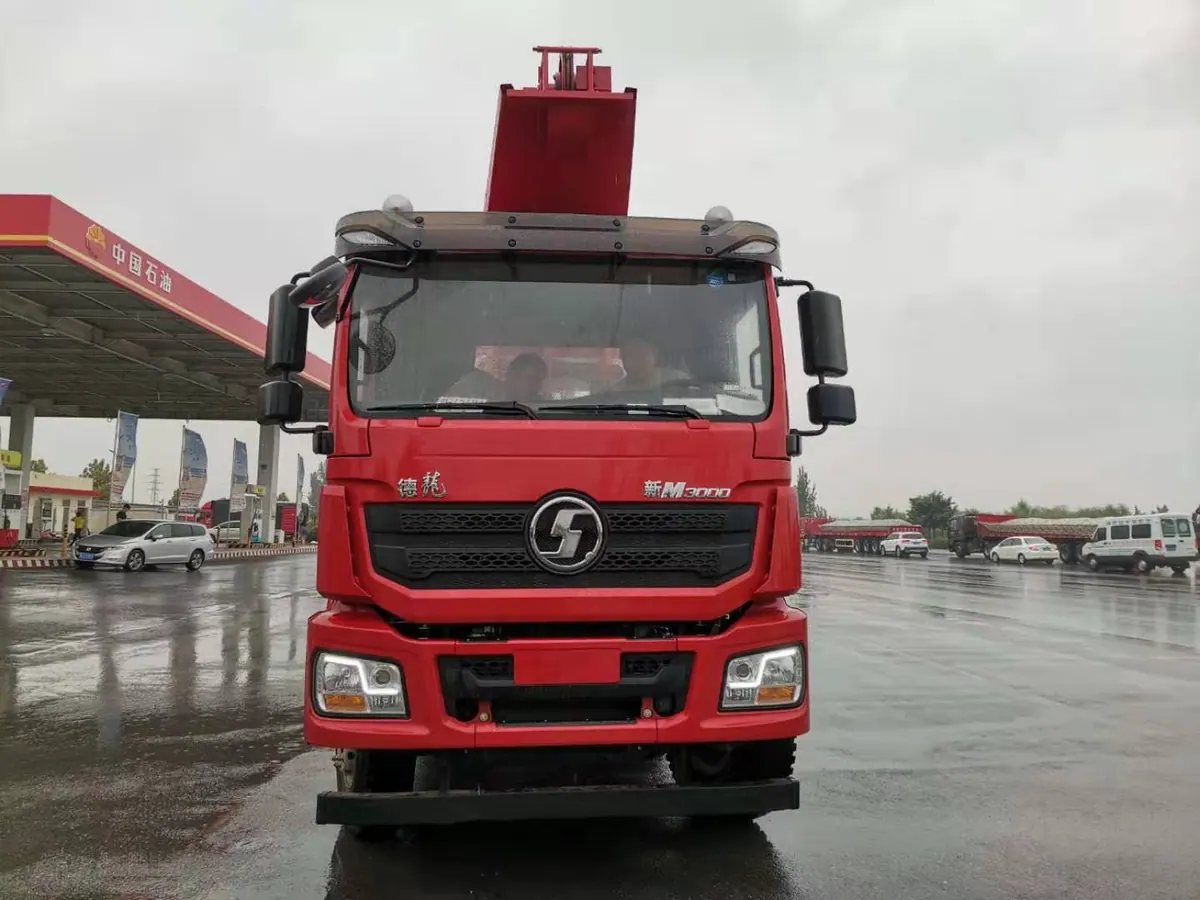
Ask what the equipment is intended to do
Where a mast, winch or handling assembly is proposed, request its intended function within the selected production-support arrangement. Keep that duty distinct from other lifting, intervention or well-service tasks. A visually similar structure can support a different mechanism or operating purpose. The supplier should identify the actual configuration and use limitations before the purchaser treats the equipment as interchangeable with another type of field unit.
Define the relevant load and operating cases
Provide the required duty information and ask the responsible designers to identify the loading and configuration inputs needed for their assessment. Include associated interfaces and operating conditions rather than one isolated maximum figure. Do not derive a load rating from a picture, chassis size or another vehicle. The accepted capability must be connected to the actual supplied assembly, its configuration and the supporting engineering evidence applicable to the order.
Identify accessories and supporting equipment
Request the supplied components, connections, controls, supports and accessories needed for the stated function. Identify items that remain optional or purchaser-supplied and the requirements for their compatibility. A mast or winch assembly without its approved supporting arrangement should not be treated as a complete service package. Compare the actual equipment schedules, including tools and handling provisions, before accepting a commercial difference as an equivalent lower-priced solution.
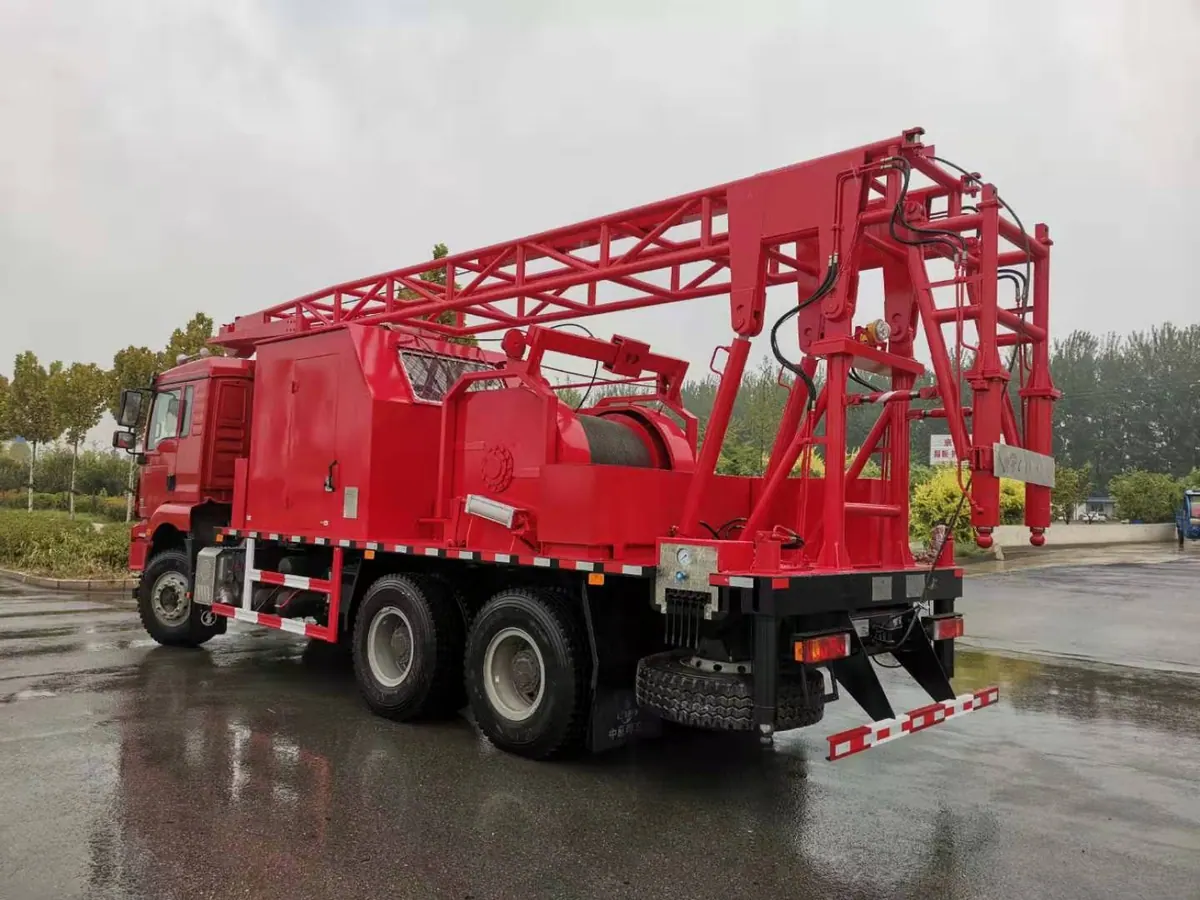
Agree inspection and test evidence
Ask for the applicable design, manufacturing, inspection and verification records required by the project for the actual assembly. Identify what the factory test covers, the supplied configuration and any site-dependent checks. Do not assume that an unloaded movement demonstration establishes every load-related capability. Where third-party attendance is required, define its scope and documents in the order rather than treating attendance alone as proof of unrestricted suitability.
Require controlled operating and service information
Request configuration-specific instructions, inspection requirements, replacement identifiers and the limits governing the supplied arrangement. Identify training and site responsibilities without publishing a generic field operating method. Changes in accessories, operating configuration or intended function should be reviewed by the responsible parties before acceptance. Keep those records linked to the delivered assembly so later work does not rely on a broad mast-equipped or winch-equipped truck description.
Keep photographic reference separate from technical approval
Use supplied images to discuss layout and identification, not to establish a mechanism rating or a complete operating procedure. Ask each bidder to document the intended function, accepted configurations and supporting evidence. List omissions and unresolved design inputs clearly in the comparison. Where the project needs a different service than the pictured equipment, request a separately selected arrangement instead of assigning that capability to the reference truck because the external structures look similar.
Put these items side by side in the bid review
| Purchase item | Question to resolve | Evidence to request |
|---|---|---|
| Function | What task is the supplied assembly selected for? | Accepted mechanism description |
| Loads | Which configurations and cases are supported? | Configuration-specific design and test basis |
| Scope | Are the required accessories included? | Controlled assembly and accessory schedule |
Suggested wording for the quotation request
Please identify any mast, winch or handling assembly included with the proposed production-support truck and its intended function. State the actual configuration, required load inputs, supported operating cases and supplied accessories. Provide applicable inspection and verification evidence, instructions, service references and training scope. List exclusions and required site checks. Do not use photographs or an unrelated reference rating as the technical basis for the ordered assembly.
Review the mobile truck as a defined production-support package, not as an automatically complete well-testing station. Identify the selected pumping method, drive interfaces, mechanical duty, fluid path and external receiving equipment. Separation, custody measurement, gas handling and other site services require their own reviewed scope when needed. Keep drawings, load cases, utilities and acceptance records tied to the ordered configuration. Installation and operation must follow supplier instructions and approved site procedures; a purchasing comparison does not replace the project engineering or authorize a different well duty.
For the wider equipment scope, consult the Mobile Oil Production Truck: FAT Checklist. Use the RFQ checklist to collect the supporting documents before requesting a configuration-specific quotation.
Buyer questions
Can a mast photograph establish its rated capacity?
No. Use configuration-specific engineering and verification records for the actual supplied assembly and intended function.
Does an unloaded demonstration establish all working capabilities?
No. Clarify its evidence limits and the load-related checks required by the accepted project plan.
Background and supplier contact
OSHA oil and gas extraction guidance offers related background, not certification of the equipment in a quotation. Applicability must be checked for the project and destination.
Explore the mobile oil production support truck, browse all technical resources, or visit Vance Petroleum for company information. Request a production-support proposal with the well duty, drive requirements and external handling scope.