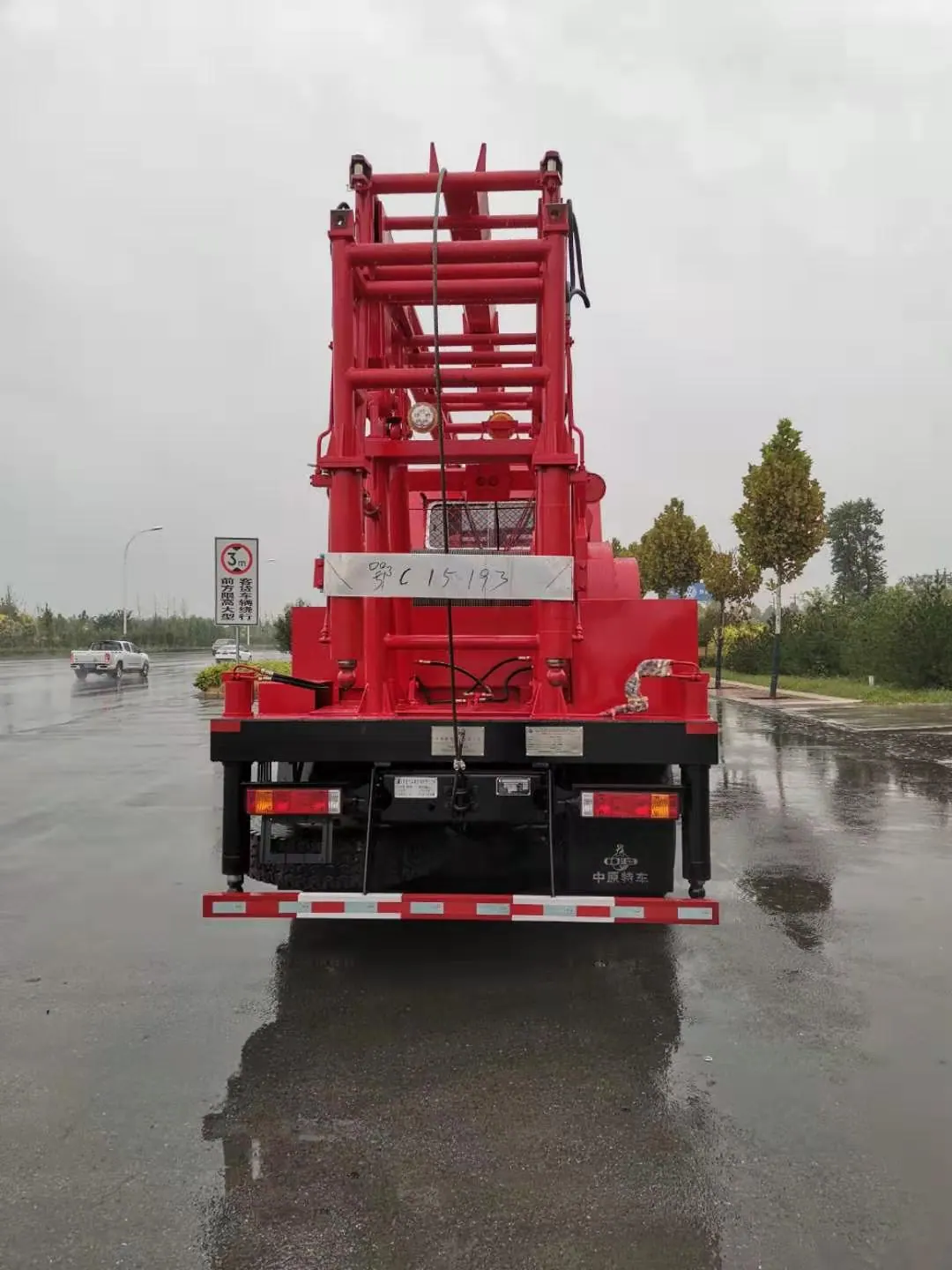
Identify the mounted configuration before comparing vehicles
Request the selected mechanism, power equipment, auxiliaries and mounting arrangement that the chassis must carry. Include the operating accessories and other items intended to travel with the truck. A vehicle quoted before the equipment scope is fixed may rely on an incomplete load basis. Ask the supplier to distinguish the actual proposed assembly from a reference truck and identify any later options that require the vehicle assessment to be updated.
Review distribution as well as total mass
Ask for the loaded configuration information and axle distribution relevant to the supplied arrangement, with the calculation or measurement basis stated. Distinguish shipping, road and operating states where they differ. A gross figure does not establish that each axle, mounting arrangement or other relevant vehicle limit is satisfied. Keep the responsible chassis and body engineering review connected to the actual installed equipment rather than a generic payload statement.
Provide the intended route and site constraints
Submit known road, access, turning, surface and transport restrictions along with destination requirements. Ask the responsible parties to identify information still needed for vehicle and logistics assessment. More driven axles or a larger chassis should not be treated as an automatic solution for every route. The selected truck must be reviewed as a complete vehicle and mounted arrangement under the actual project and jurisdictional requirements.
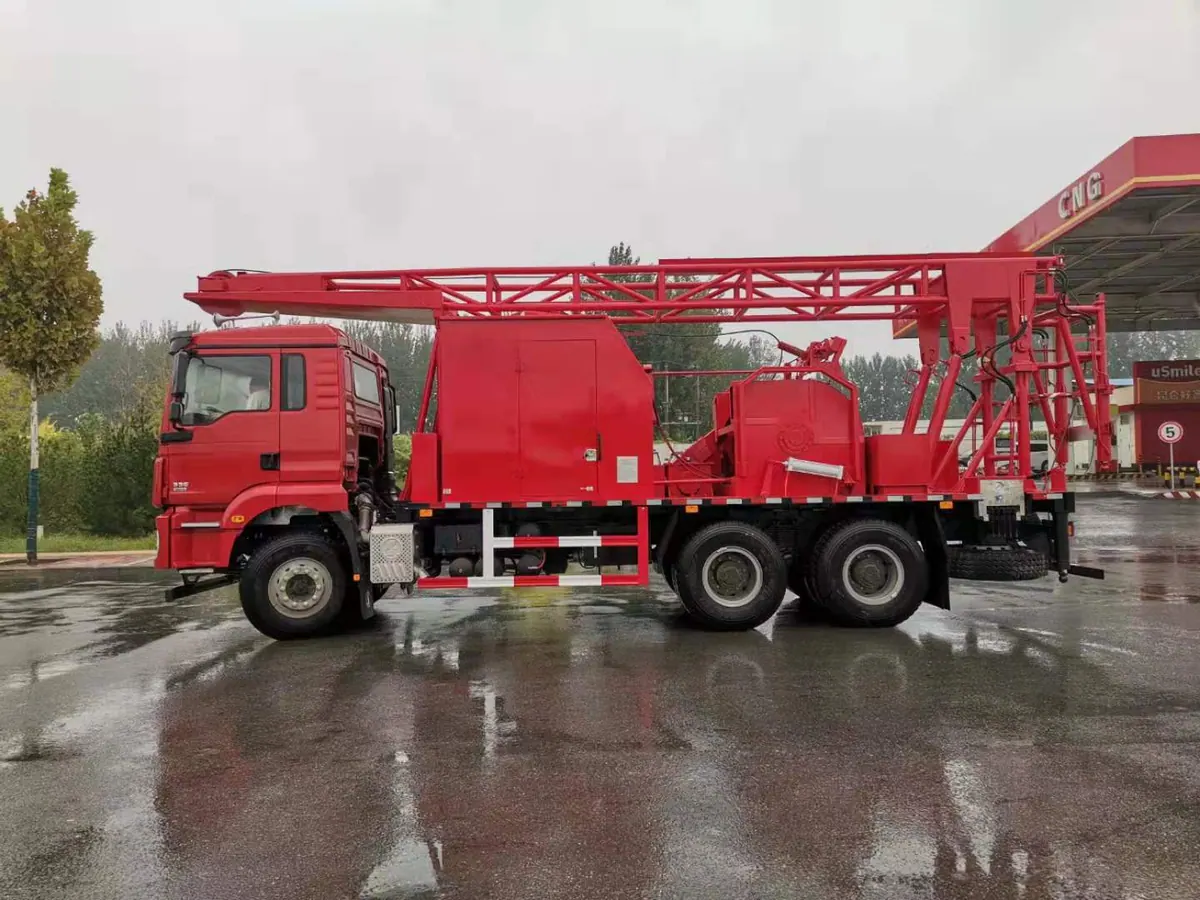
Include accessories and support resources
Identify removable tools, spare parts, fluids and handling items included in the travel plan. State whether any equipment moves separately and who manages that transport. Optional items can change the load and space basis of an otherwise accepted truck. Price and approve the complete mobilization arrangement, including support vehicles where required, rather than assuming all job equipment can be carried simply because it appears in the same commercial package.
Agree final vehicle records and verification
Request the as-supplied layout, relevant load records, installation documentation and destination deliverables agreed for the order. Identify when final verification occurs and how changes are controlled. Do not infer road approval from a model name or a reference photograph. Keep the technical selection, loading evidence and regulatory responsibilities explicit before release so the purchaser can distinguish supplied vehicle documentation from approvals or transport work remaining outside the vendor boundary.
Compare complete delivered vehicles
Use the same mounted equipment list, travel accessories and destination assumptions for each chassis alternative. Ask bidders to identify limitations, changes required by optional functions and any unresolved engineering. A lower chassis price may require a different mounting or logistics arrangement, while a larger truck may create additional route restrictions. Retain the accepted configuration and loading basis with the purchase documents and require reassessment when equipment, stored items or the intended transport conditions change.
Put these items side by side in the bid review
| Purchase item | Question to resolve | Evidence to request |
|---|---|---|
| Configuration | Which mounted items and accessories are included? | Controlled vehicle equipment list |
| Loading | Are axle distributions established? | Configuration-specific load evidence |
| Destination | Who supplies approvals and transport work? | Written delivery and compliance boundary |
Suggested wording for the quotation request
Please propose a chassis for the identified production-support mechanism and complete travel-equipment list. Provide the actual mounted layout, loading basis and relevant axle-distribution evidence. Review the attached route, site and destination constraints and identify limitations or additional inputs. State supplied documentation, installation verification, purchaser-managed approvals and the effect of optional equipment or later changes on the accepted vehicle configuration.
Review the mobile truck as a defined production-support package, not as an automatically complete well-testing station. Identify the selected pumping method, drive interfaces, mechanical duty, fluid path and external receiving equipment. Separation, custody measurement, gas handling and other site services require their own reviewed scope when needed. Keep drawings, load cases, utilities and acceptance records tied to the ordered configuration. Installation and operation must follow supplier instructions and approved site procedures; a purchasing comparison does not replace the project engineering or authorize a different well duty.
For the wider equipment scope, consult the Mobile Oil Production Truck: Configuration Guide. Use the RFQ checklist to collect the supporting documents before requesting a configuration-specific quotation.
Buyer questions
Is gross vehicle weight enough to approve the truck?
No. Review the actual loading distribution, mounted arrangement, vehicle limits, route and destination requirements.
Can optional accessories be added without review?
Not automatically. Added equipment can affect loads, mounting, space and the accepted transport configuration.
Background and supplier contact
OSHA oil and gas extraction guidance offers related background, not certification of the equipment in a quotation. Applicability must be checked for the project and destination.
Explore the mobile oil production support truck, browse all technical resources, or visit Vance Petroleum for company information. Request a production-support proposal with the well duty, drive requirements and external handling scope.