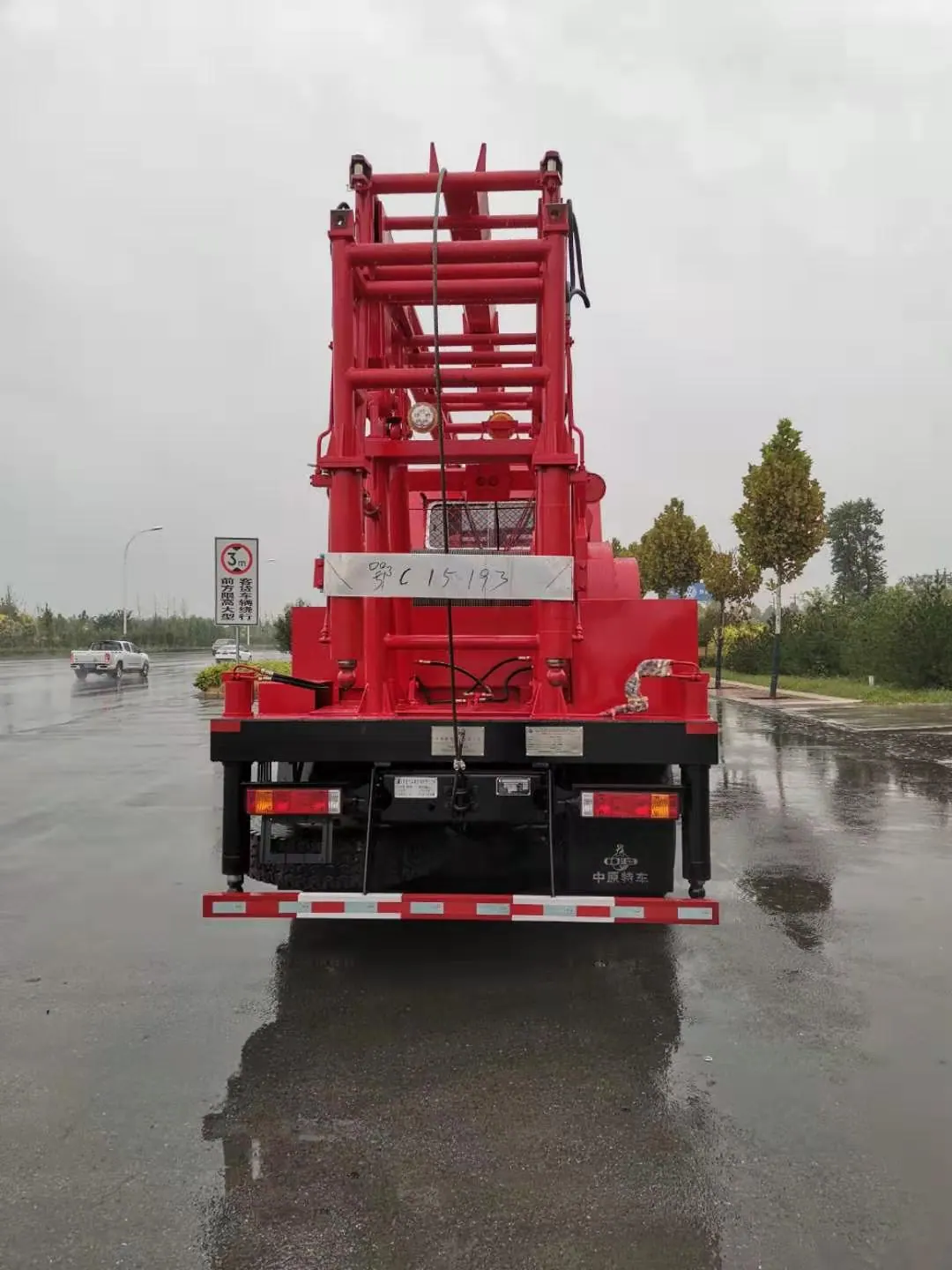
Separate transport, operating and service layouts
Request drawings for the actual supplied truck in each relevant state. Identify components that move, extend, open or require separate placement under the approved configuration. Do not assume that the road envelope represents the space needed for the selected production-support task. A supplier should identify its actual arrangement and limits rather than asking the purchaser to infer operating clearances from a side-view photograph or a generic chassis dimension.
Plot the external project equipment
Show the well connection, receiving equipment, utilities and separately supplied services on the proposed operating layout. Identify the responsibility for each component and route. Separation, gas handling or other test equipment, where required, should remain separately selected and visible. A vehicle described as self-contained may still depend on site systems, so the complete space assessment must include the actual external boundary and not only the items mounted on the truck.
Review connection and operator access
Ask the responsible suppliers and project designers to review the connections, access routes and work areas required by the arrangement. Include the controls and routine checks applicable to the actual mechanism. Physical closeness to the well is not automatically preferable if it creates unreviewed interface or access constraints. Keep the final layout connected to the approved site requirements rather than treating convenience or minimum hose length as the sole selection factor.
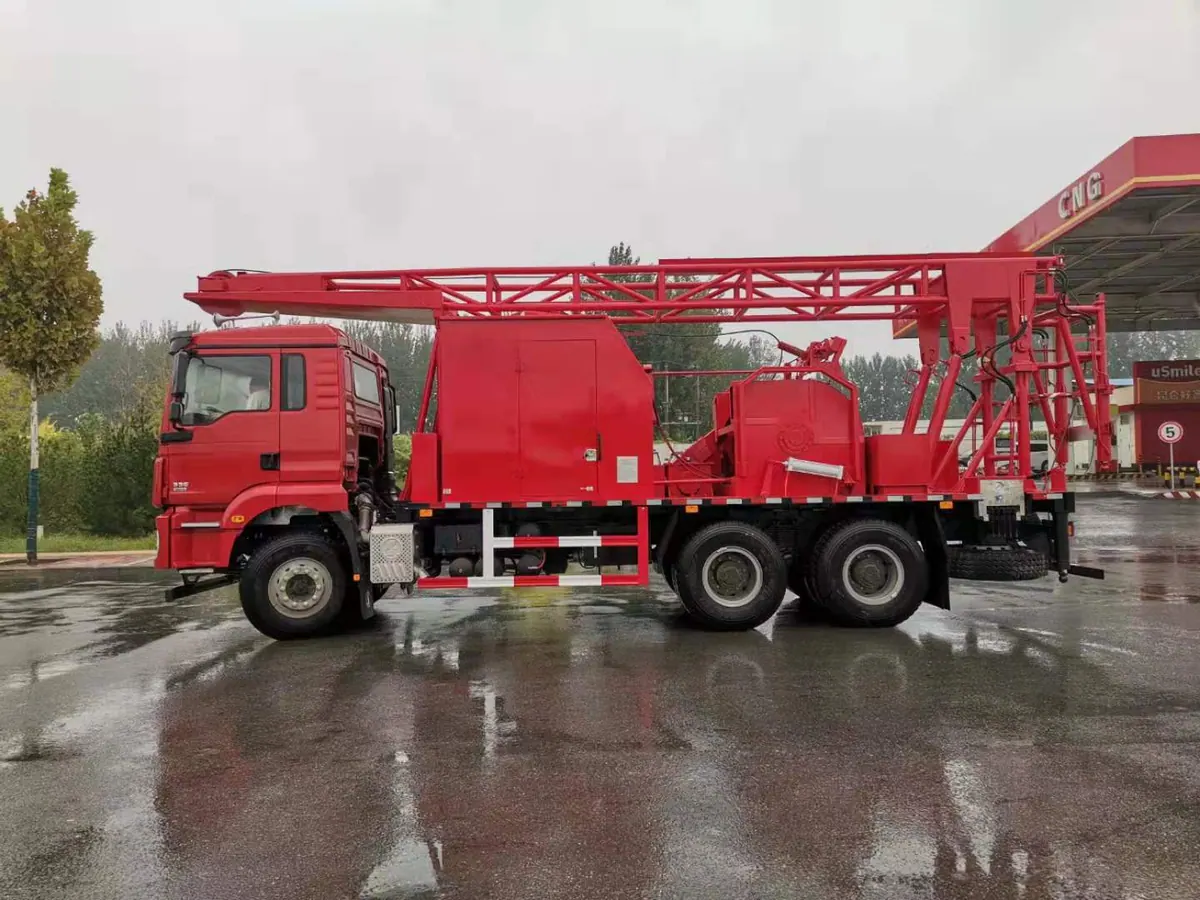
Check maintenance removal paths
Request the service tasks, clearances, tools and handling provisions needed for the supplied equipment. Identify items that require disconnection, removal or outside assistance. A component that fits inside the transport envelope may not be maintainable within the proposed operating position. Price necessary access changes or support resources before accepting a compact layout advantage, and avoid assuming that an enclosure or mounted accessory leaves adequate room for every maintenance activity.
Control the delivered layout and changes
Agree final drawing revisions and verification requirements for the supplied arrangement. Where an option, larger component or relocated accessory is proposed, review its effect on loads, clearances, connections and service work. Keep as-supplied records with the equipment and identify any site work left outside the truck vendor scope. Layout approval should refer to the actual accepted configuration rather than a generic model illustration that no longer matches the completed vehicle.
Compare usable layouts instead of nominal compactness
Ask every bidder to show the same well and external-equipment arrangement with operating and service envelopes identified. Record unresolved dimensions and required site resources. A smaller truck can be useful where it meets the actual duty and access requirements, but compactness should not override unsupported interfaces or maintenance limitations. Retain the accepted drawings for later campaigns and request review when the site arrangement, mechanism or carried equipment differs from the originally approved cases.
Put these items side by side in the bid review
| Purchase item | Question to resolve | Evidence to request |
|---|---|---|
| Envelope | Which equipment states are shown? | Transport, work and service drawings |
| External scope | What must be placed outside the truck? | Complete operating layout |
| Maintenance | Can required parts be accessed and removed? | Service-clearance and handling review |
Suggested wording for the quotation request
Please provide transport, operating and maintenance layouts for the selected oil production support truck. Show the actual mechanism, external equipment, well connections, controls access and service-removal paths. Identify required site clearances, tools, handling resources and purchaser-managed work. State drawing revisions and the review required for optional equipment or changed locations. Compare complete usable arrangements rather than treating shipping dimensions as the operating footprint.
Review the mobile truck as a defined production-support package, not as an automatically complete well-testing station. Identify the selected pumping method, drive interfaces, mechanical duty, fluid path and external receiving equipment. Separation, custody measurement, gas handling and other site services require their own reviewed scope when needed. Keep drawings, load cases, utilities and acceptance records tied to the ordered configuration. Installation and operation must follow supplier instructions and approved site procedures; a purchasing comparison does not replace the project engineering or authorize a different well duty.
For the wider equipment scope, consult the Mobile Oil Production Truck: Commissioning Guide. Use the RFQ checklist to collect the supporting documents before requesting a configuration-specific quotation.
Buyer questions
Can shipping dimensions be used as the full operating footprint?
No. Account for the actual working arrangement, external equipment, access and service clearances.
Should an optional mounted component trigger layout review?
Yes, where it affects loads, interfaces, operating space or access to the supplied equipment.
Background and supplier contact
OSHA oil and gas extraction guidance offers related background, not certification of the equipment in a quotation. Applicability must be checked for the project and destination.
Explore the mobile oil production support truck, browse all technical resources, or visit Vance Petroleum for company information. Request a production-support proposal with the well duty, drive requirements and external handling scope.