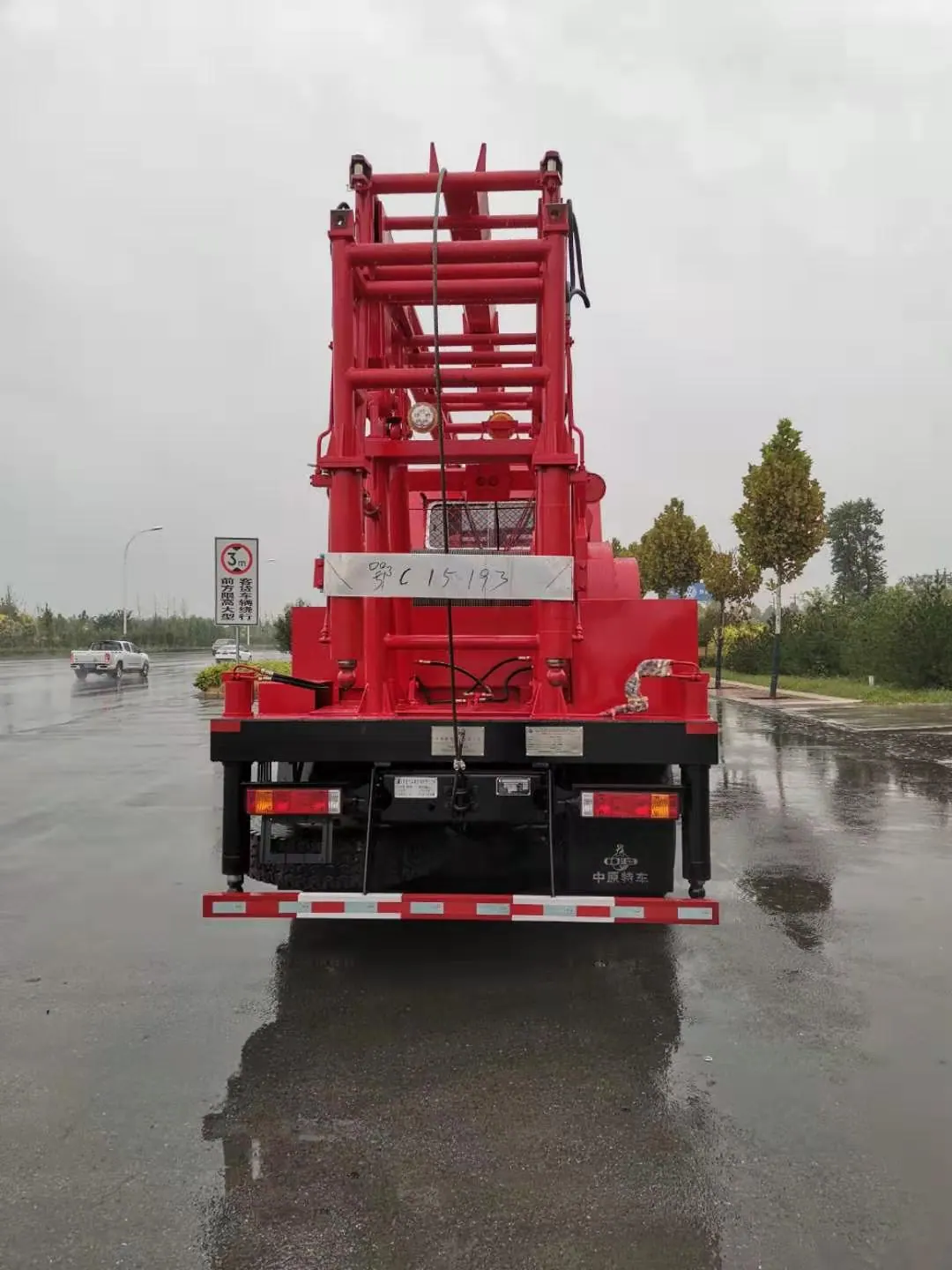
Separate the wells into accepted duty cases
List the existing equipment, required support function and relevant well conditions for each location. Identify differences in mechanical connection, fluid handling or operating period. Ask which cases the proposed configuration supports and where additional equipment or engineering is required. A single truck-family description should not be treated as approval for every well in a fleet, particularly when the work requires different mechanisms or connected arrangements.
Build a complete time budget
Include movement, access, positioning, connections, checks, operation, service and release activities in the campaign plan. Use site-specific assumptions and identify uncertainty. Nominal production-support hours are not the same as usable work delivered after the full cycle is included. Avoid a universal rig-up claim and compare options on the same accepted scheduling basis rather than calculating utilization from travel distance or engine running time alone.
Review switching and configuration changes
Ask whether moving between the intended wells requires different adapters, control arrangements, accessories or approved settings. Identify who supplies, inspects and records those changes under the applicable instructions. A package can be physically transportable while still requiring significant work to support a different interface. Price the necessary kits and service resources rather than assuming that all well-to-well changes are minor or already included in the base truck.
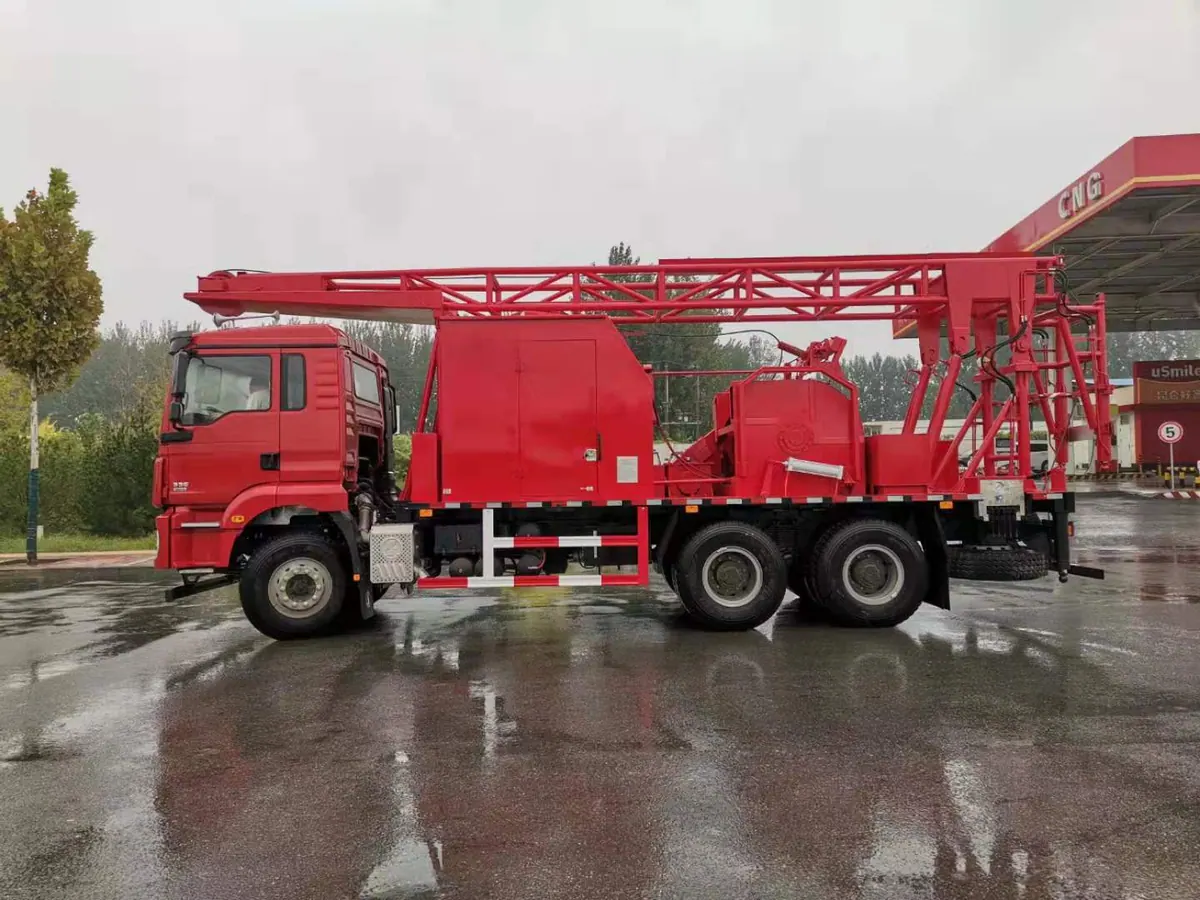
Include service and replenishment needs
Request the mechanism, vehicle and auxiliary maintenance requirements relevant to the planned cycle. Account for consumables, inspections and workshop access without inventing fixed service intervals. Identify how spares and approved fluids reach the campaign and who maintains configuration records. A route that uses all available time for well work may leave no realistic opportunity for required checks or service, so availability assumptions need technical as well as commercial review.
Keep performance and production assumptions separate
Ask the supplier to confirm the equipment duty and supported operating cases, while keeping reservoir behavior and campaign production estimates with the responsible project team. Do not turn mobility or a pumping-drive figure into a guaranteed recovered volume. Compare scenarios for changing well demand and interruptions, and record which tasks require another vehicle, existing equipment or an alternate arrangement before the campaign-based purchase decision is finalized.
Use job cards as purchase inputs
Prepare one controlled job card for each materially different well case, with the required mechanism, interfaces, external equipment and intended operating period. Ask the bidder to mark accepted cases and deviations. Combine those responses with the movement and service schedule rather than assuming universal compatibility. Keep the accepted cases in the handover records so dispatch decisions refer to the actual supported configuration, and require review when a new well or different support task is added to the campaign.
Put these items side by side in the bid review
| Purchase item | Question to resolve | Evidence to request |
|---|---|---|
| Coverage | Which wells are technically accepted? | Controlled job-card response |
| Time | What usable service fits the campaign? | Complete cycle and route schedule |
| Changes | Which kits or checks are needed between wells? | Configuration-change scope |
Suggested wording for the quotation request
Please review the attached multiwell program for a mobile production-support truck. Identify accepted well duties, interface differences, mechanism requirements and any additional kits or equipment. State movement-independent setup and verification work, maintenance needs and support assumptions for the proposed cycle. Mark unsupported cases and required engineering explicitly. Keep equipment performance commitments separate from campaign production estimates and identify the records needed for controlled well-to-well redeployment.
Review the mobile truck as a defined production-support package, not as an automatically complete well-testing station. Identify the selected pumping method, drive interfaces, mechanical duty, fluid path and external receiving equipment. Separation, custody measurement, gas handling and other site services require their own reviewed scope when needed. Keep drawings, load cases, utilities and acceptance records tied to the ordered configuration. Installation and operation must follow supplier instructions and approved site procedures; a purchasing comparison does not replace the project engineering or authorize a different well duty.
For the wider equipment scope, consult the Mobile Oil Production Truck: Pre-Job Checklist. Use the RFQ checklist to collect the supporting documents before requesting a configuration-specific quotation.
Buyer questions
Does road mobility establish compatibility with every well?
No. Each relevant mechanism, interface and operating case must be accepted for the selected configuration.
What should utilization estimates include?
Include movement, setup, checks, service and release as well as actual operating time, using the accepted campaign assumptions.
Background and supplier contact
Artificial-lift application background offers related background, not certification of the equipment in a quotation. Applicability must be checked for the project and destination.
Explore the mobile oil production support truck, browse all technical resources, or visit Vance Petroleum for company information. Request a production-support proposal with the well duty, drive requirements and external handling scope.