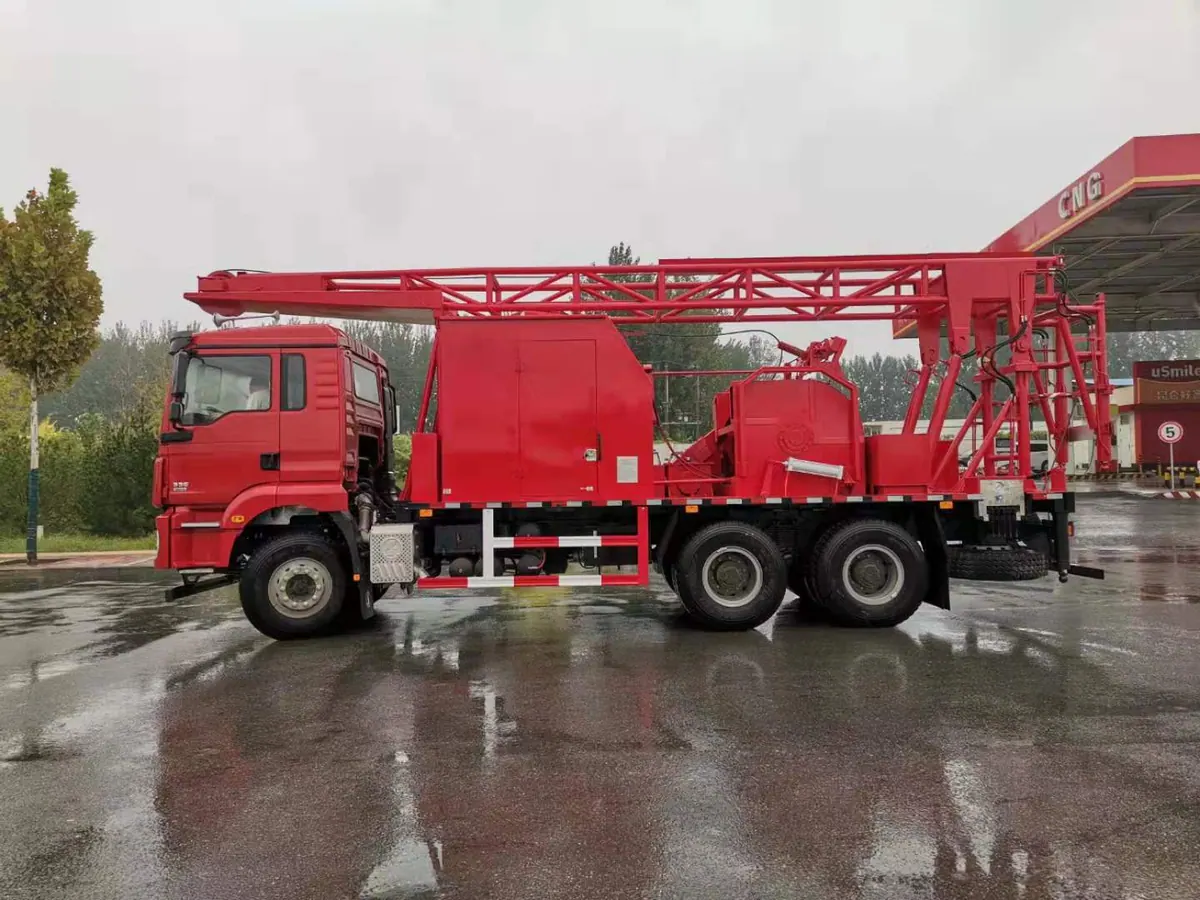
Compare the same supported mechanism
Ask each bidder to identify the actual pumping or production-support arrangement and the accepted well duty. Keep a drive-only proposal distinct from an arrangement including additional fluid-handling equipment. A photograph, vehicle model or product-family name is not enough to establish equivalent function. Align the technical scope and operating assumptions before making price adjustments, otherwise a lower figure may simply represent a different task or a less complete configuration.
Break out the vehicle and mounted equipment
Request a priced schedule covering the chassis, engine or other power source, transmission, selected mechanism, controls and mounting arrangement. Identify any mast, winch or handling equipment actually included and the evidence associated with it. Separate installed items from loose accessories and purchaser-supplied equipment. The commercial response should show what will be delivered in a recognizable configuration rather than relying on a broad description such as complete production truck.
Include the external project equipment
List tanks, piping, site utilities, receiving systems and any separate test or separation services needed by the actual job. Ask who designs, supplies and verifies those interfaces. Do not assume that external equipment already owned by the purchaser is suitable without checking its condition and supported duty. Price modifications or replacement work explicitly so the comparison reflects an accepted operating arrangement rather than the vehicle alone.
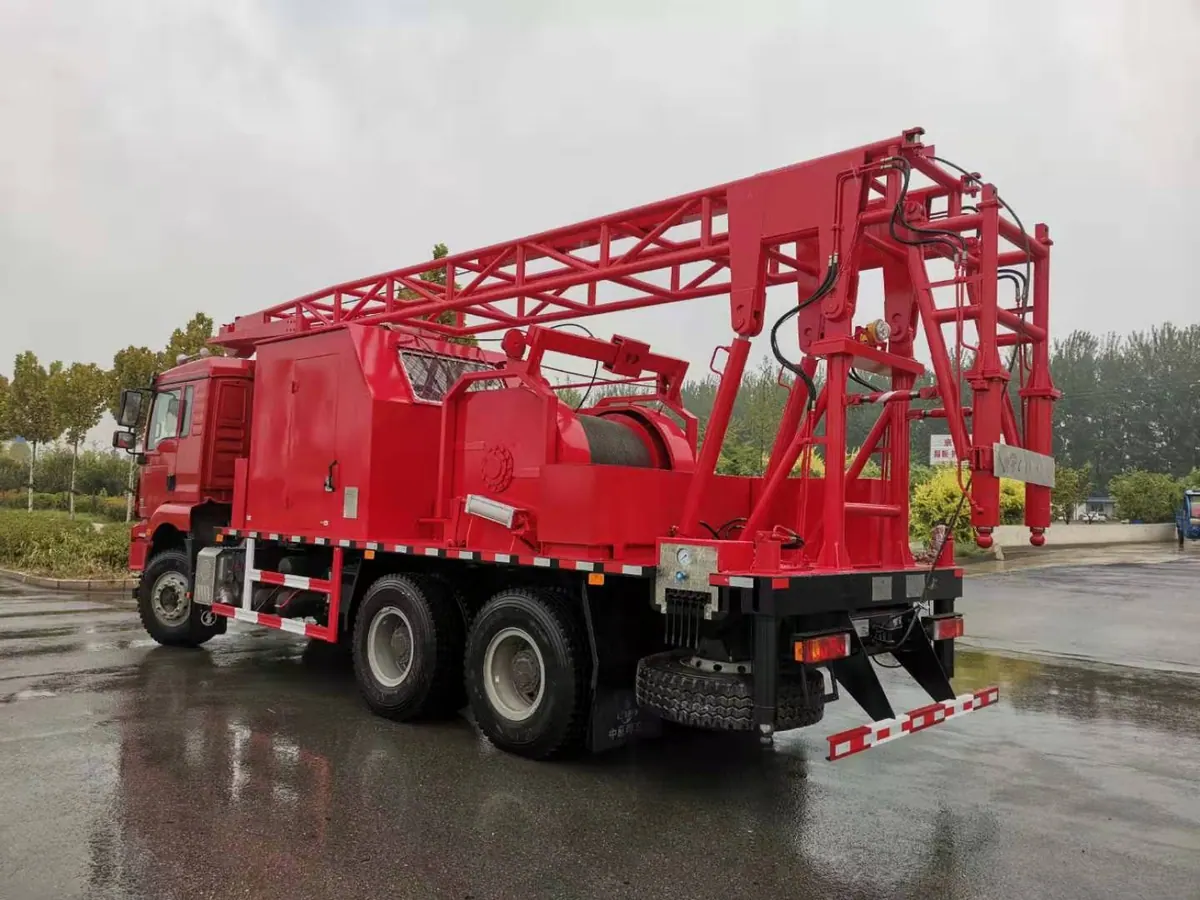
Compare evidence and support at one boundary
Check included inspection, functional and load-related verification, documents, training and initial spares. Ask whether tests cover the assembled vehicle and selected mechanism or only individual components. Identify site attendance and commissioning work quoted separately. Support and warranty terms should be reviewed in writing; a low equipment price with undefined verification or service responsibility is not equivalent to an offer that includes those deliverables.
Align delivery and installation costs
Request the delivery rule, version and named place, together with transport preparation, preservation and purchaser responsibilities. Include installation, unloading, site modifications and acceptance work outside the supplier boundary. Keep uncertain costs visible rather than entering zero. Compare technically accepted offers at the same delivery and operating boundary, and retain the assumptions so later changes can be traced to a clear original scope.
Use a priced responsibility matrix
Give every relevant item an equipment description, supplier boundary, responsible party and commercial status. Mark optional equipment and unresolved information separately from accepted base scope. Where a bidder proposes an alternative mechanism, return it for technical review before treating it as a discount. The purpose of the comparison is to buy a supported production service with defined equipment and evidence, not to select the smallest headline number attached to an ambiguous truck name or a universal capacity claim.
Put these items side by side in the bid review
| Purchase item | Question to resolve | Evidence to request |
|---|---|---|
| Base offer | Are the selected mechanisms equivalent? | Accepted configuration schedule |
| Project cost | Which external items remain unpriced? | Priced responsibility matrix |
| Handover | Which tests and support are included? | Written deliverable schedule |
Suggested wording for the quotation request
Please provide an itemized oil production truck quotation against the accepted duty. Separate chassis, power, mechanism, controls, handling equipment, inspection, initial spares and support. Identify external site equipment, modifications, delivery term and named place, commissioning work and exclusions. State optional items and alternative mechanisms independently. Show the complete supply boundary so technical equivalence and remaining purchaser costs can be reviewed before commercial selection.
Review the mobile truck as a defined production-support package, not as an automatically complete well-testing station. Identify the selected pumping method, drive interfaces, mechanical duty, fluid path and external receiving equipment. Separation, custody measurement, gas handling and other site services require their own reviewed scope when needed. Keep drawings, load cases, utilities and acceptance records tied to the ordered configuration. Installation and operation must follow supplier instructions and approved site procedures; a purchasing comparison does not replace the project engineering or authorize a different well duty.
For the wider equipment scope, consult the Mobile Oil Production Truck: Price and Cost Guide. Use the RFQ checklist to collect the supporting documents before requesting a configuration-specific quotation.
Buyer questions
Is the lowest truck price necessarily the lowest project cost?
No. External equipment, integration, verification, delivery, spares and site work can materially change the complete cost.
How should a different mechanism be compared?
Review its technical suitability and interfaces first, then compare the accepted complete scope rather than treating it as an automatic equivalent.
Background and supplier contact
ICC Incoterms® resources offers related background, not certification of the equipment in a quotation. Applicability must be checked for the project and destination.
Explore the mobile oil production support truck, browse all technical resources, or visit Vance Petroleum for company information. Request a production-support proposal with the well duty, drive requirements and external handling scope.