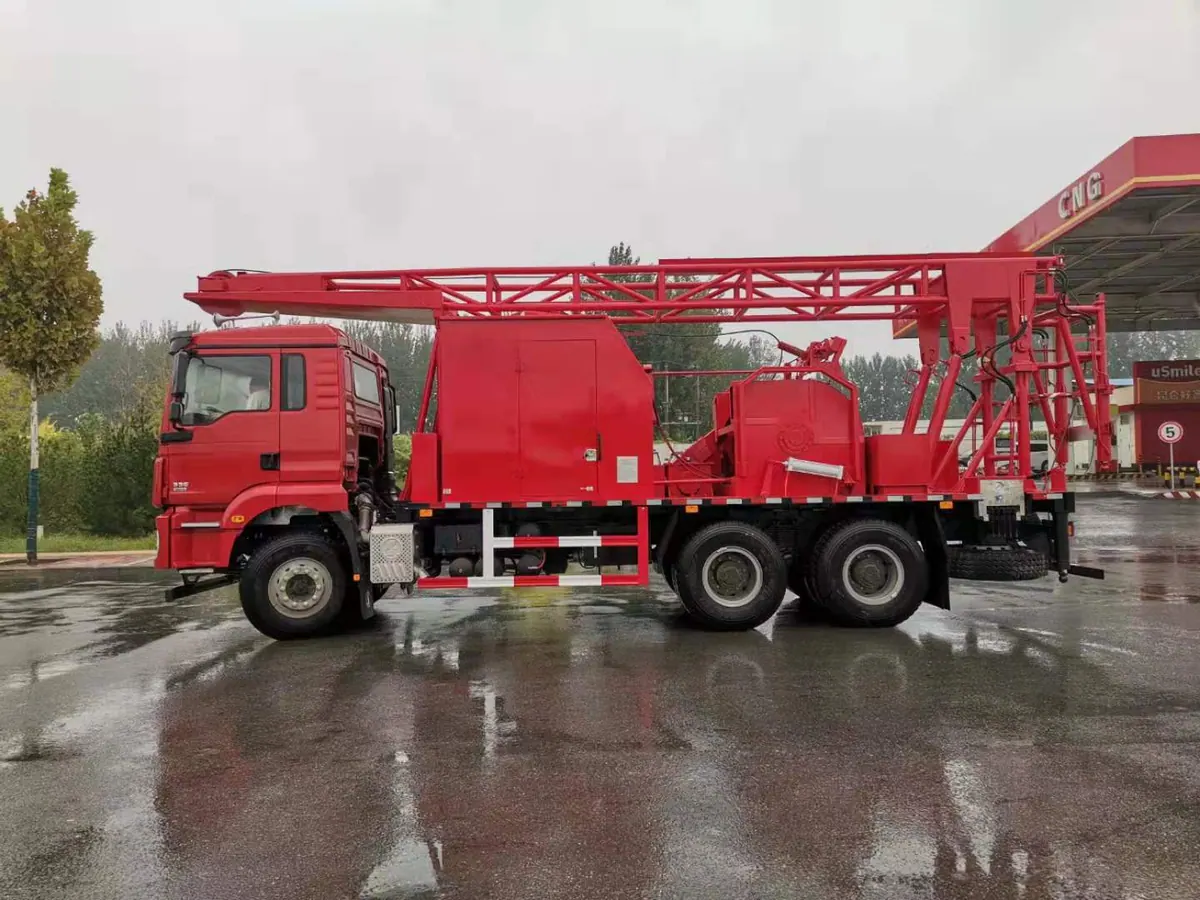
Describe the production task and outcome
Identify the well, existing equipment, intended support task and the outcome required from the truck. Explain whether the project needs a selected pumping drive, an agreed fluid-transfer function or another documented production-support arrangement. Do not put several different mechanisms into one undefined capacity request. Ask the supplier to identify what it can actually offer and which parts of the job depend on existing or separately supplied equipment.
Give the operating envelope and duration
Provide the well conditions and the mechanical or fluid requirements relevant to the proposed method. State normal, reduced, starting and maximum credible cases with their duration. Include expected variation and the information still awaiting confirmation. A single maximum flow or torque figure cannot establish suitability for the complete service. Keep requested performance connected to the actual mechanism rather than transferring a rating from a different production or testing package.
Identify the drive and connection boundaries
Supply the available drawings for the well interface, mating equipment, supports and power arrangement. Ask the supplier to mark confirmed dimensions and unresolved information on its proposed layout. Identify who selects any adapter or modified connection. A general compatibility statement should not replace controlled interface evidence, particularly where the existing installation has been altered or the truck is expected to serve more than one well arrangement.
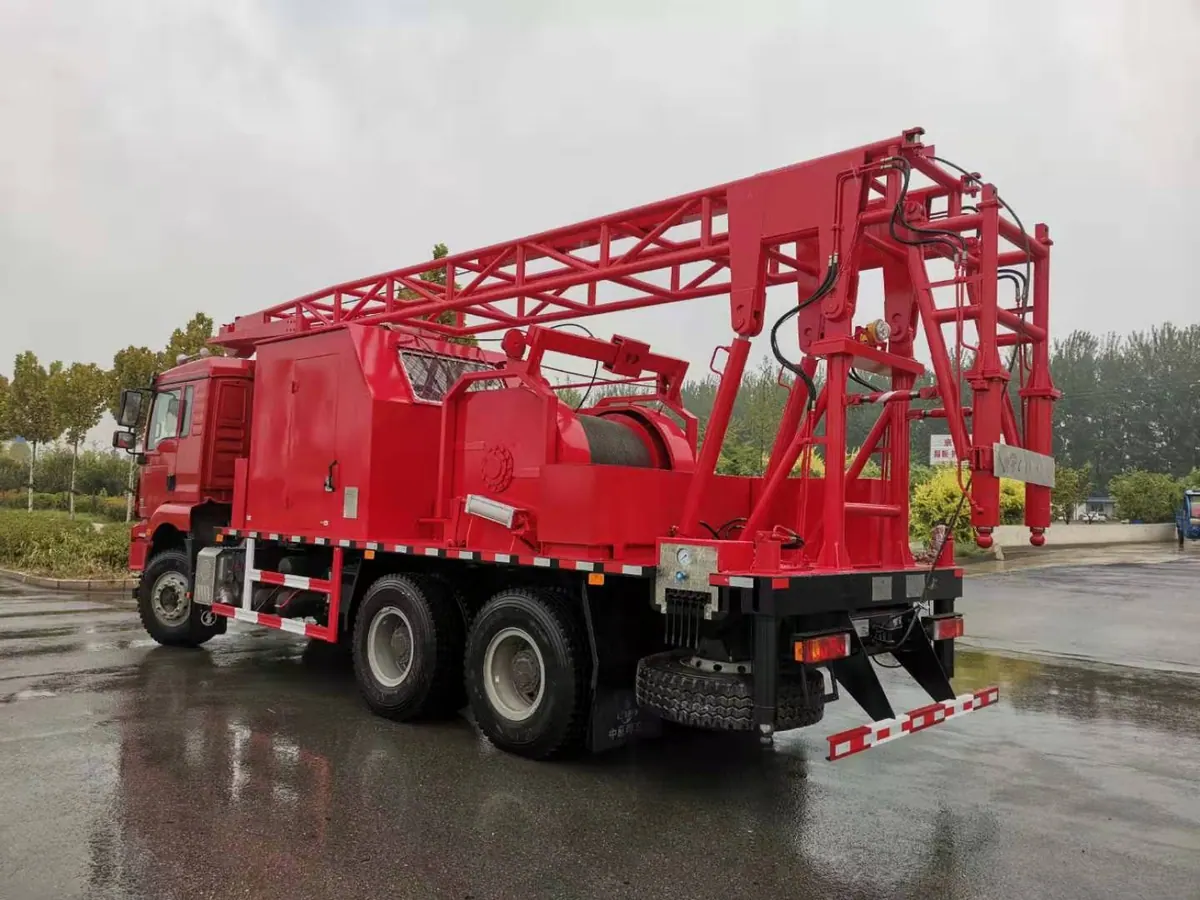
Separate optional services from the truck
List any required external tanks, gas handling, separation, measurement and other site services independently. Ask each bidder to state whether those items are included, optional or purchaser-supplied. A truck supporting production evaluation does not necessarily perform every measurement or process function needed by the project. Keeping these boundaries explicit makes a truck quotation comparable without silently treating it as a complete well-testing spread.
Agree selection and acceptance documents
Request the selected mechanism, duty confirmation, vehicle arrangement, interface drawings and scope schedule before approving the purchase. Identify inspection and test evidence applicable to the offered configuration and the site work needed for acceptance. Retain assumptions and deviations with the order. A catalogue name or reference photograph can help identify the equipment family, but it cannot establish every operating limit, included component or destination requirement for the actual project.
Keep the duty schedule controlled
Give the accepted job information and drawings revision identifiers and use them throughout technical clarification and commercial evaluation. When a supplier changes the drive method, vehicle or supporting equipment, request an updated review of the affected interfaces and performance assumptions. Distinguish a supported base configuration from alternatives still awaiting approval. This provides a practical basis for a production-support purchase without relying on an unsupported claim that one vehicle configuration can serve every well, pumping method or external handling arrangement.
Put these items side by side in the bid review
| Purchase item | Question to resolve | Evidence to request |
|---|---|---|
| Duty | Which task is actually supported? | Accepted job and operating schedule |
| Scope | What remains external to the truck? | Included and excluded equipment list |
| Interfaces | Which drawings were reviewed? | Controlled supplier response |
Suggested wording for the quotation request
Please propose a mobile oil production support truck for the attached well duty and operating schedule. Identify the selected mechanism, drive arrangement, accepted operating limits, well connections and vehicle configuration. Separate external handling, separation and measurement equipment from the base truck. State missing inputs, deviations, inspection evidence and site acceptance responsibilities. Keep optional functions individually identified and do not assume complete test-station scope without the corresponding equipment selection.
Review the mobile truck as a defined production-support package, not as an automatically complete well-testing station. Identify the selected pumping method, drive interfaces, mechanical duty, fluid path and external receiving equipment. Separation, custody measurement, gas handling and other site services require their own reviewed scope when needed. Keep drawings, load cases, utilities and acceptance records tied to the ordered configuration. Installation and operation must follow supplier instructions and approved site procedures; a purchasing comparison does not replace the project engineering or authorize a different well duty.
For the wider equipment scope, consult the Mobile Oil Production Truck: Specs and Sizing. Use the RFQ checklist to collect the supporting documents before requesting a configuration-specific quotation.
Buyer questions
What should be specified before choosing the chassis?
Define the actual pumping or support mechanism, well duty, load requirements, connected equipment and operating schedule.
Does production support mean all test equipment is fitted?
No. Confirm separation, measurement, gas handling and other site functions separately in the accepted equipment schedule.
Background and supplier contact
Artificial-lift application background offers related background, not certification of the equipment in a quotation. Applicability must be checked for the project and destination.
Explore the mobile oil production support truck, browse all technical resources, or visit Vance Petroleum for company information. Request a production-support proposal with the well duty, drive requirements and external handling scope.