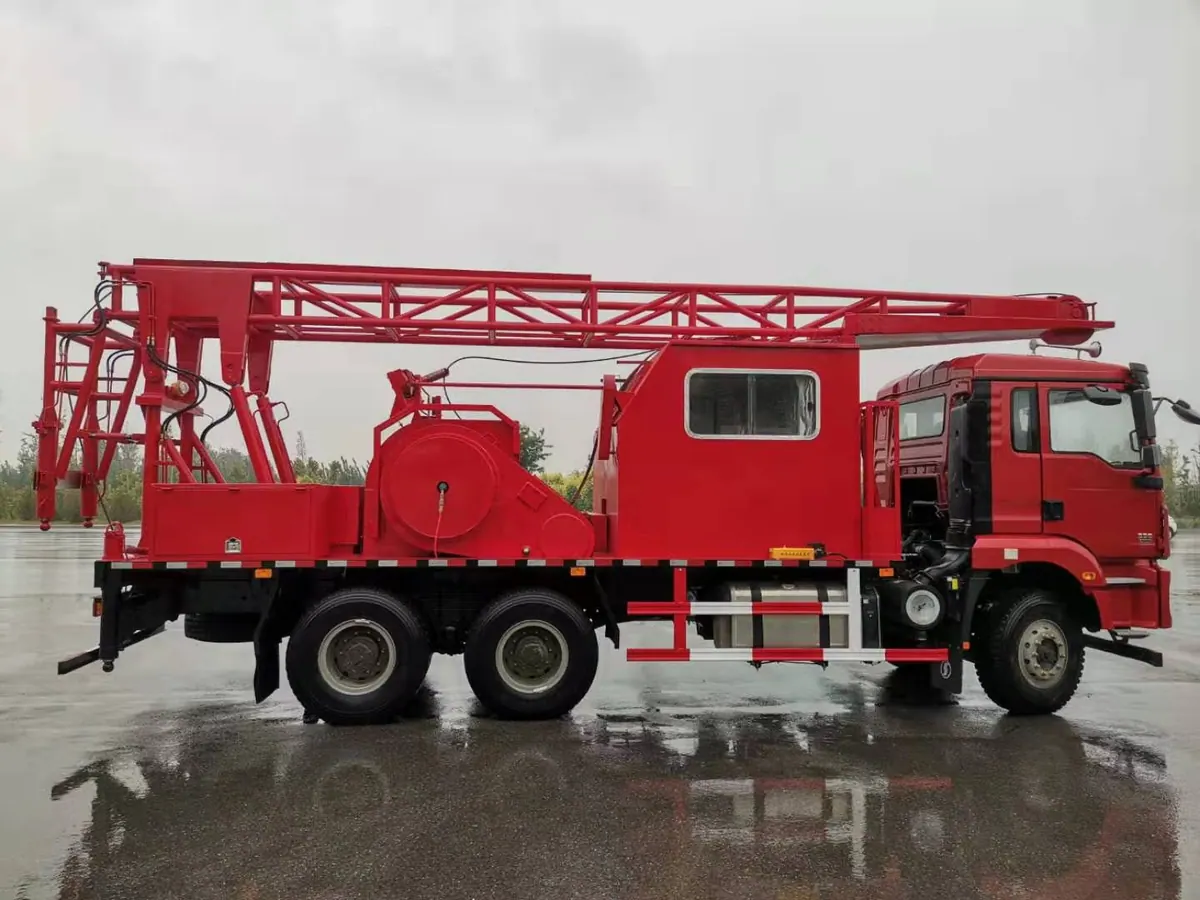
Describe exposure at the actual equipment boundaries
Provide the fluid and gas information, pressure, temperature and operating cases requested by the responsible project specialists. Identify which supplied components contact or may be exposed to the relevant service. A truck supplying a mechanical drive has different boundaries from an arrangement carrying well fluid. Keep those distinctions visible and identify unknown conditions before the supplier treats its standard materials or a reference application as suitable for the proposed job.
Identify the supplied and external components
Request an equipment and material schedule showing the selected mechanism, interfaces, fluid-contact items where applicable and purchaser-supplied equipment. Ask the responsible parties to confirm the review boundary. A material record for one assembly does not establish suitability of every connected valve, seal, instrument or existing well component. The complete project arrangement needs coordinated ownership of those questions rather than a single broad label on the truck quotation.
Agree applicable requirements and evidence
Ask qualified project specialists to identify the requirements applicable to the actual service and destination. Request the relevant supplied-item material, manufacturing and inspection evidence agreed for the order. Distinguish organizational certificates and sample records from documents covering the delivered components. Do not convert a generic standards reference into a claim of universal compliance, and do not assume that citing a standard closes all environmental, operating or installation conditions.
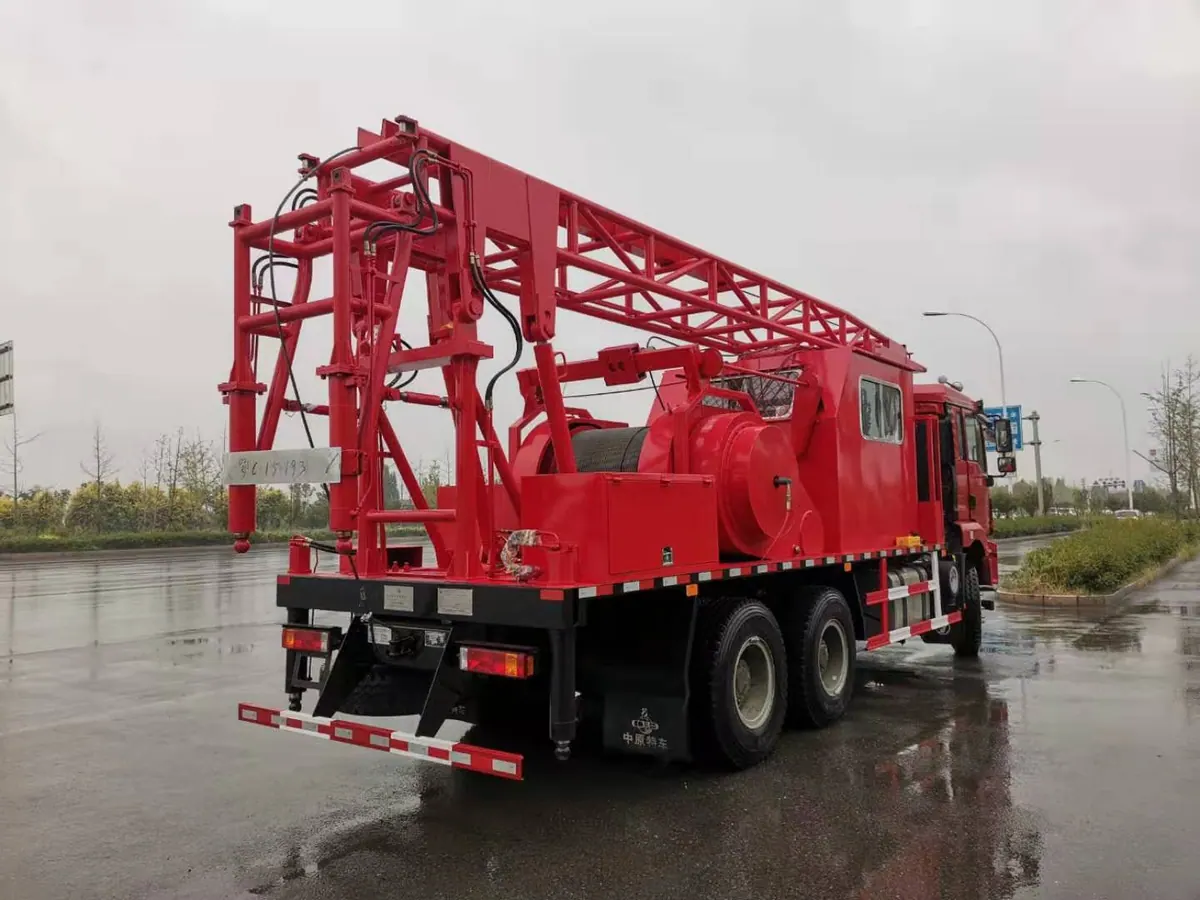
Coordinate site and protective-system responsibilities
Identify the responsibilities for the operating location, classification, gas interfaces and protective functions required by the approved project assessment. State what the supplier includes and what remains external. Procurement documents should require the appropriate engineering and verification without supplying generic field settings or procedures. A detector, enclosure or emergency-stop function on its own is not evidence that every hazard in the connected arrangement has been assessed and controlled.
Control substitutions and service changes
Request an approval process for material substitutions, replacement seals, adapters and changes in exposure conditions. Keep traceable part references with the accepted configuration. A mechanically fitting replacement may still require a service-specific review. Identify what records must be updated during commissioning and later maintenance so future work uses the documented service basis rather than an assumption that all trucks in the same product family have identical materials or approved exposure limits.
Make suitability a bounded technical conclusion
Ask each bidder to identify accepted exposure conditions, covered components, evidence, exclusions and approvals still required. Compare responses against the same project inputs before considering commercial preference. Where information is incomplete, record the work needed to close the gap instead of accepting an unconditional capability claim. Keep the approved basis with the equipment and require reassessment for changed fluids or connected arrangements. The objective is documented suitability of the actual supplied system, not a generic sour-service badge.
Put these items side by side in the bid review
| Purchase item | Question to resolve | Evidence to request |
|---|---|---|
| Exposure | Which supplied items are actually covered? | Controlled exposure and component schedule |
| Evidence | Which records apply to the delivered items? | Agreed material and inspection plan |
| Changes | Who approves service-related substitutions? | Traceable change process |
Suggested wording for the quotation request
Please review the proposed production-support truck against the attached exposure data and project requirements. Identify covered components, materials, interfaces and external equipment responsibilities. State accepted conditions, required supplied-item evidence, inspection scope, exclusions and approvals still needed. Define substitution and service-change review and the final configuration records. Do not substitute a general sour-service statement or organizational certificate for confirmation of the specific supplied arrangement.
Review the mobile truck as a defined production-support package, not as an automatically complete well-testing station. Identify the selected pumping method, drive interfaces, mechanical duty, fluid path and external receiving equipment. Separation, custody measurement, gas handling and other site services require their own reviewed scope when needed. Keep drawings, load cases, utilities and acceptance records tied to the ordered configuration. Installation and operation must follow supplier instructions and approved site procedures; a purchasing comparison does not replace the project engineering or authorize a different well duty.
For the wider equipment scope, consult the Mobile Oil Production Truck: Safety Systems Guide. Use the RFQ checklist to collect the supporting documents before requesting a configuration-specific quotation.
Buyer questions
Does one material certificate cover the complete truck and well system?
No. The actual exposed components, connected equipment and project requirements need a coordinated review.
Can a fitting replacement automatically be used in the same service?
No. Material, exposure, interface and approval requirements must support the substitution.
Background and supplier contact
OSHA oil and gas extraction guidance offers related background, not certification of the equipment in a quotation. Applicability must be checked for the project and destination.
Explore the mobile oil production support truck, browse all technical resources, or visit Vance Petroleum for company information. Request a production-support proposal with the well duty, drive requirements and external handling scope.