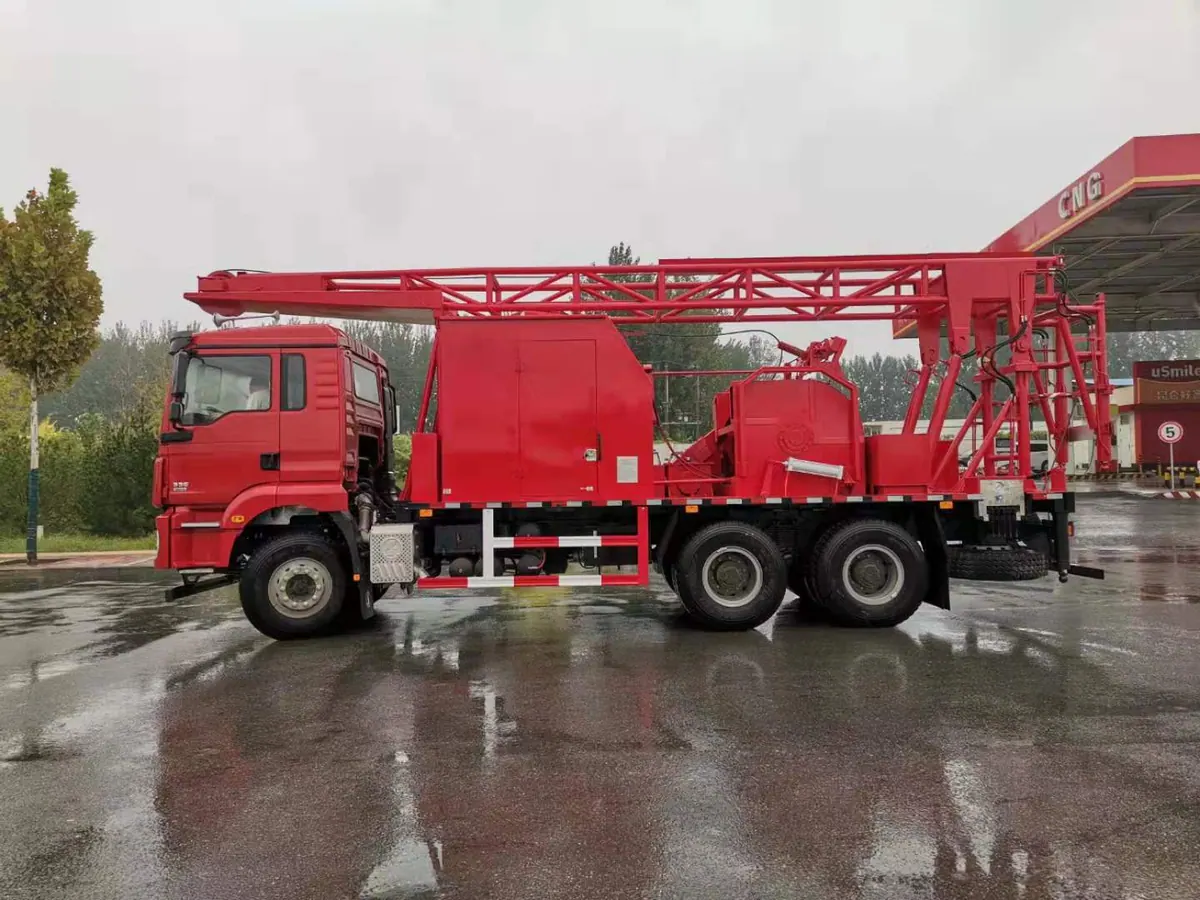
Describe the fluid at actual operating conditions
Provide relevant fluid composition, viscosity information across expected temperatures, solids and other properties requested by the responsible specialists. Identify sampling conditions and uncertainty. A general heavy-oil or waxy-crude label is not enough to establish pumping or mechanical duty. The selected support arrangement must be reviewed against the liquid conditions actually encountered, rather than a convenient reference sample or a single property measured at an unrelated temperature.
Connect fluid behavior to the selected mechanism
Ask the supplier to explain the supported duty, loads, operating limits and interfaces for the proposed pumping method. Keep different mechanisms and their relevant data separate. A higher advertised torque or power figure does not automatically solve every fluid-related limitation. Identify any additional well, pump or receiving-system information required before accepting the configuration and avoid transferring performance assumptions from a different liquid or installation.
Identify conditioning and related services separately
If heating, flushing, chemical treatment or another supporting service is required, define its duty and responsible equipment independently. Ask what is included, optional or purchaser-supplied. Do not infer an onboard heater or intervention system from the production-truck description. Any additional arrangement needs its own compatibility, utility, control and project review, and its price should remain visible in the complete comparison rather than being hidden in an ambiguous capability statement.
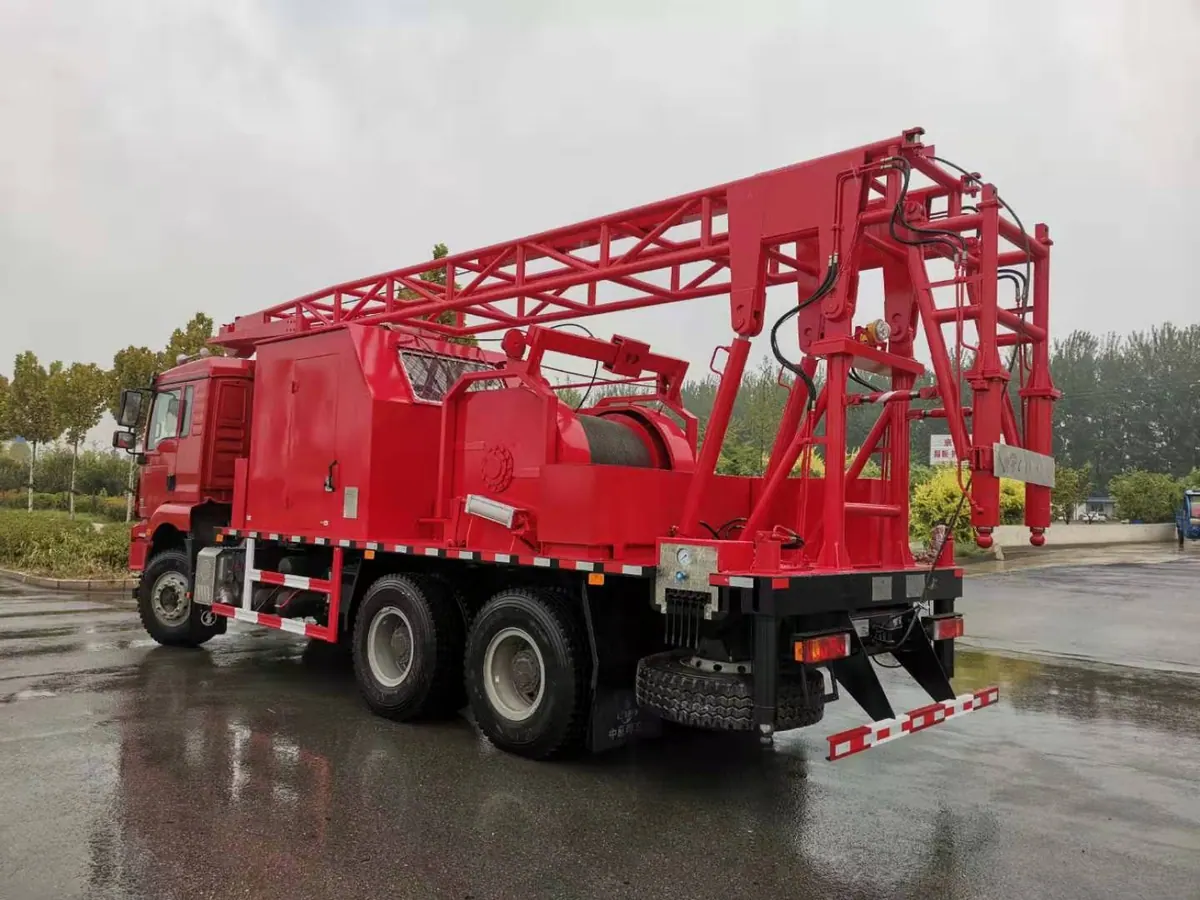
Review temperature changes and supporting systems
Provide expected starting, running, standby and storage conditions for the equipment and fluid. Ask the supplier to identify relevant materials, seals, cooling or other selected support-system limits. Keep chemical and thermal compatibility tied to the actual supplied components. A cold-start provision for an engine, for example, does not establish that the connected process fluid or pumping mechanism is suitable for every low-temperature condition at the well.
Define evidence and changes requiring review
Request the accepted fluid and duty basis, applicable trials or calculations, inspection scope and operating instructions for the chosen arrangement. Identify what remains dependent on well or site conditions. Keep any performance estimate bounded by its stated evidence rather than converting it into a universal production guarantee. Require reassessment where fluid composition, temperature, supporting treatment or the selected mechanism changes after the purchase decision.
Compare like-for-like support arrangements
Ask each bidder to respond to the same fluid data, temperature cases and intended mechanism. List external conditioning equipment, utilities, installation and service requirements alongside the truck scope. If one proposal depends on fluid changes or additional treatment, identify those assumptions before comparing price or expected output. Preserve the accepted basis in handover documents and distinguish approved operating cases from future conditions still awaiting technical review. This supports a practical viscous-crude purchase without inventing unrestricted heavy-oil capability.
Put these items side by side in the bid review
| Purchase item | Question to resolve | Evidence to request |
|---|---|---|
| Fluid | Which temperature-dependent properties are accepted? | Controlled fluid characterization |
| Mechanism | What duty does the selected arrangement support? | Supplier selection response |
| Auxiliaries | Is conditioning actually included? | Separate equipment and utility scope |
Suggested wording for the quotation request
Please assess the proposed mobile production-support truck against the attached viscous or wax-prone fluid data and operating temperatures. Identify the selected mechanism, supported duty, materials and interface requirements. State any external heating, flushing or conditioning needed and its supply boundary. Provide the evidence, limitations, operating instructions and change-review requirements applicable to the actual configuration, distinguishing truck capability from separately selected support services.
Review the mobile truck as a defined production-support package, not as an automatically complete well-testing station. Identify the selected pumping method, drive interfaces, mechanical duty, fluid path and external receiving equipment. Separation, custody measurement, gas handling and other site services require their own reviewed scope when needed. Keep drawings, load cases, utilities and acceptance records tied to the ordered configuration. Installation and operation must follow supplier instructions and approved site procedures; a purchasing comparison does not replace the project engineering or authorize a different well duty.
For the wider equipment scope, consult the Mobile Oil Production Truck: Compatibility Guide. Use the RFQ checklist to collect the supporting documents before requesting a configuration-specific quotation.
Buyer questions
Does the production-truck name establish onboard heating?
No. Confirm heating or other conditioning as specifically selected and documented equipment.
Is one viscosity figure sufficient for selection?
Not necessarily. Use the properties and temperature cases relevant to the actual mechanism, well and operating schedule.
Background and supplier contact
Artificial-lift application background offers related background, not certification of the equipment in a quotation. Applicability must be checked for the project and destination.
Explore the mobile oil production support truck, browse all technical resources, or visit Vance Petroleum for company information. Request a production-support proposal with the well duty, drive requirements and external handling scope.