State the decision each measurement supports
Identify whether a value is needed for mechanism operation, equipment protection, job reporting, production evaluation or another defined purpose. Ask which supplied device or external service produces it. A pumping-drive indication may be useful for operating the truck without establishing a verified fluid quantity. Keep these functions separate so the supplier can respond to the actual requirement rather than attaching a broad metering description to the complete vehicle.
Identify the actual measurement equipment
Request device references, ranges, service conditions, installation arrangements and the data path relevant to each accepted function. State whether instruments are included, optional or supplied elsewhere. Do not infer a full oil, gas and water metering package from a truck control system. If the project requires separate production measurement, identify that equipment and the responsible technical review independently of the mobile pumping mechanism and its operational indications.
Define operating and reference conditions
Ask the responsible measurement specialists to specify the conditions and reporting basis appropriate to the task. Identify how fluid properties, operating state or connected equipment affect the intended result. A component accuracy figure under reference conditions does not establish the uncertainty of every installed measurement. Request a configuration-specific explanation rather than transferring an isolated catalogue percentage to the complete production-support job or a different fluid service.
Agree calibration and acceptance evidence
Specify the records, methods, responsibilities and applicable checks required by the actual project measurement purpose. Distinguish device calibration, installation checks and verification of the complete data path. A calibration certificate for one instrument is not evidence that every process or reporting assumption is correct. Identify what can be demonstrated at the factory and what needs site conditions, external reference equipment or specialist participation before the measurement is accepted.
Control records and later configuration changes
Request the device identifiers, configuration information, reporting definitions and final verification records needed for handover. Ask how a replaced instrument or changed operating range will be reviewed and recorded. Keep the accepted measurement boundary connected to the supplied equipment list and actual project use. Avoid describing the truck as a custody-transfer system unless that distinct scope has been selected, documented and accepted through the responsible measurement process.
Compare measurement scope on evidence
Give bidders the same measurement purposes, operating cases and acceptance requirements. Ask them to mark operational indications, derived estimates and separately verified production measurements clearly. Price excluded instruments, external equipment and specialist work rather than assuming they are included in a screen or data-logging option. This keeps the purchase focused on usable information for the actual job and prevents an attractive but undefined accuracy percentage from becoming a universal claim about the truck or well production results.
Put these items side by side in the bid review
| Purchase item | Question to resolve | Evidence to request |
|---|---|---|
| Purpose | What decision does the value support? | Accepted measurement-function list |
| Boundary | Which equipment and conditions are included? | Configuration-specific measurement response |
| Evidence | What verifies the installed data path? | Agreed calibration and acceptance records |
Suggested wording for the quotation request
Please identify the measurements included with the proposed production-support truck and their intended purposes. Distinguish operational indications, estimates and any separately selected production measurement. Provide device references, ranges, accepted operating conditions, data paths and verification responsibilities. State calibration and site acceptance scope, reporting definitions and excluded external equipment. Do not apply a generic component accuracy or custody-transfer description to the complete truck without the supporting agreed measurement scope.
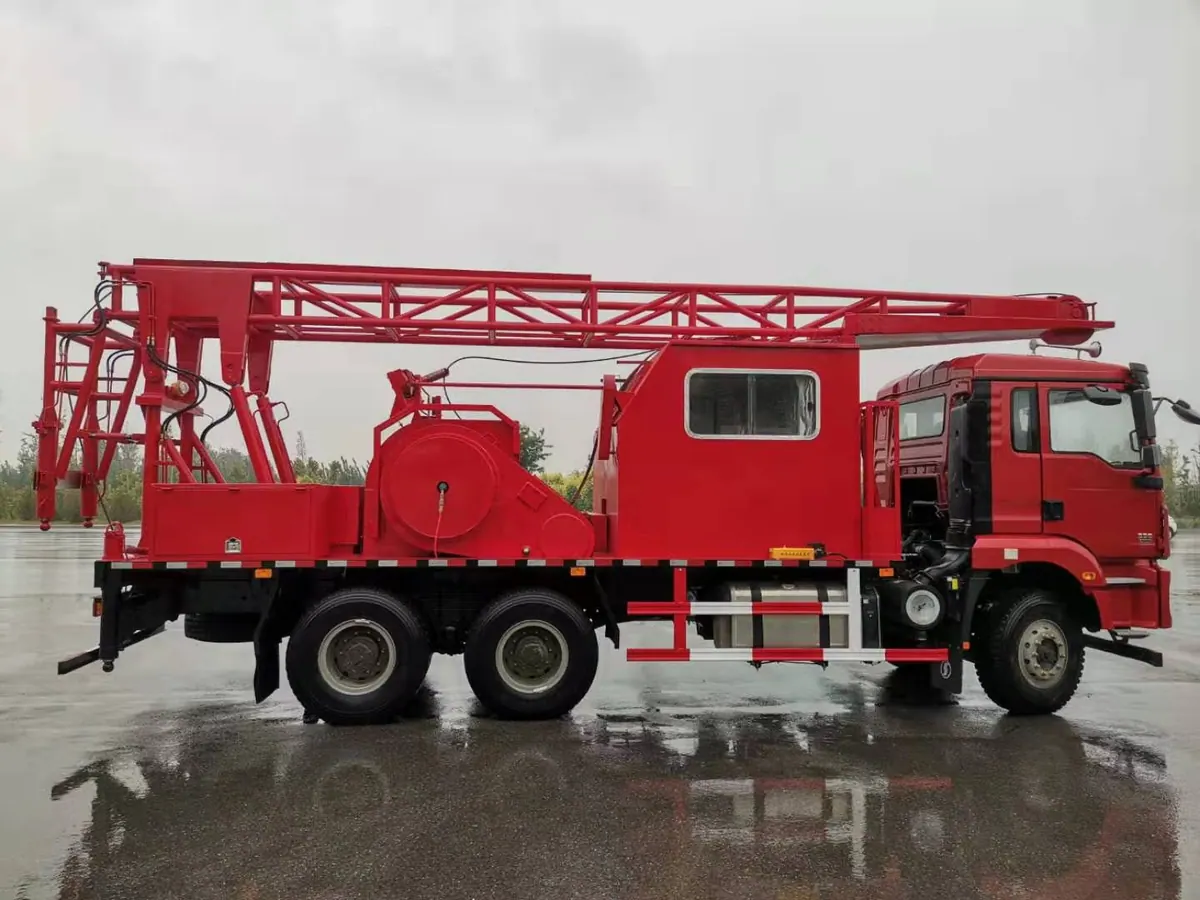
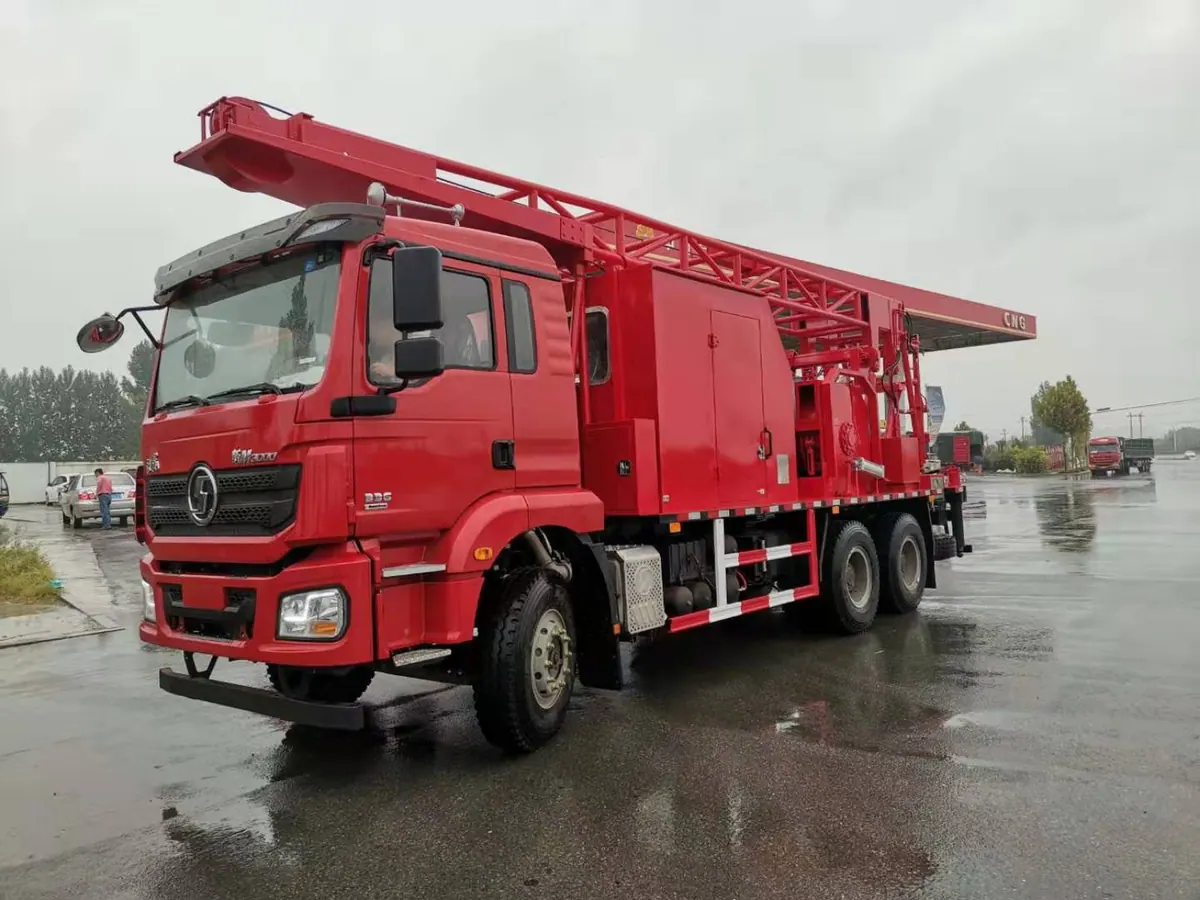
Review the mobile truck as a defined production-support package, not as an automatically complete well-testing station. Identify the selected pumping method, drive interfaces, mechanical duty, fluid path and external receiving equipment. Separation, custody measurement, gas handling and other site services require their own reviewed scope when needed. Keep drawings, load cases, utilities and acceptance records tied to the ordered configuration. Installation and operation must follow supplier instructions and approved site procedures; a purchasing comparison does not replace the project engineering or authorize a different well duty.
For the wider equipment scope, consult the Mobile Oil Production Truck: FAT Checklist. Use the RFQ checklist to collect the supporting documents before requesting a configuration-specific quotation.
Buyer questions
Can a component accuracy percentage describe the whole job measurement?
Not automatically. Installation, operating conditions, data handling and the accepted measurement boundary must also be considered.
Is production metering standard on every pumping-support truck?
No. Confirm any required production measurement as explicitly selected equipment and verification scope.
Background and supplier contact
Artificial-lift application background offers related background, not certification of the equipment in a quotation. Applicability must be checked for the project and destination.
Explore the mobile oil production support truck, browse all technical resources, or visit Vance Petroleum for company information. Request a production-support proposal with the well duty, drive requirements and external handling scope.