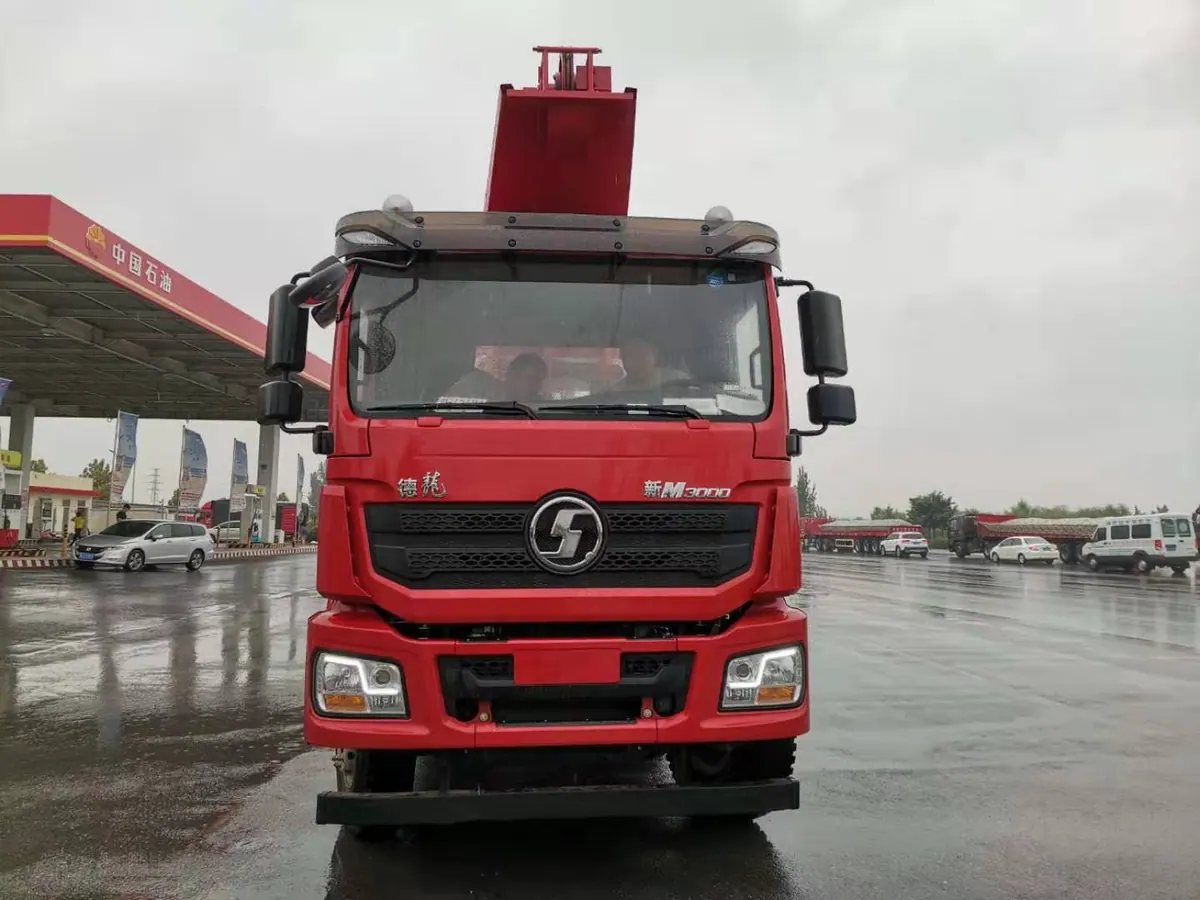
Identify the selected mechanism and operating modes
Request the control functions applicable to the actual pumping or support arrangement. Distinguish normal operation, starting, reduced operation, stopping and other states accepted by the responsible suppliers. Ask which commands are local, remote or otherwise provided. A generic automatic-control description does not establish that every required operating mode is supported, and a control package selected for one mechanism should not be assumed appropriate for another configuration without review.
Give each instrument an explicit purpose
Ask for an instrument and signal schedule identifying operational indications, control inputs, alarms and other project functions. State the ranges and service conditions relevant to the actual measurements. A display value should not automatically be treated as a verified production quantity or custody measurement. Keep instrument selection and any calibration evidence connected to the intended function, rather than accepting a generic accuracy statement detached from the supplied device and installation.
Define external interfaces and responsibility
Identify connections to existing well equipment, site controls and separately supplied services. Request signal types, communication requirements and the responsible party for integration. Do not assume that a remote-monitoring option establishes compatibility with the site system or includes every required device and configuration service. Any additional access or network arrangement should follow the owner-approved project requirements and be identified commercially instead of being introduced as an undocumented feature during commissioning.
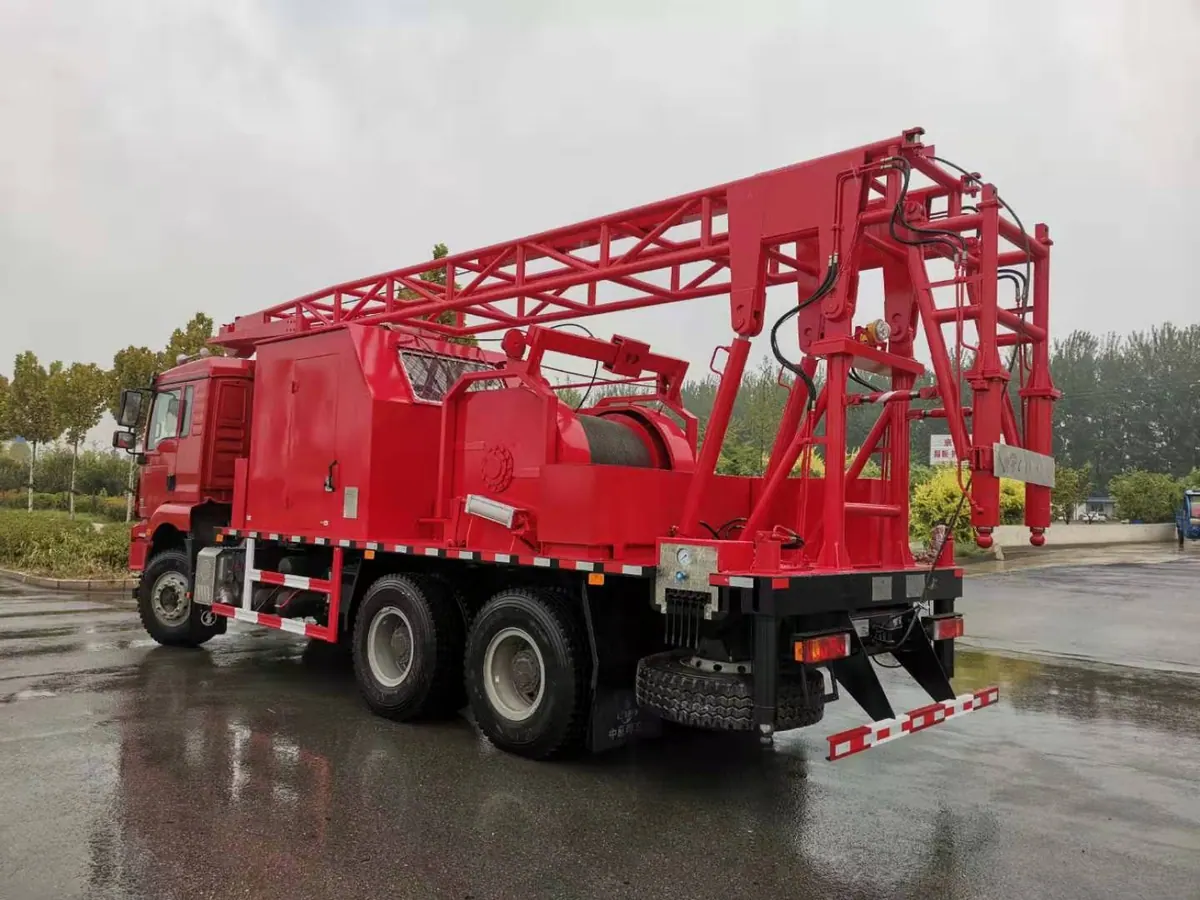
Specify useful operating records
State the variables, time basis, event records and export formats needed for the production-support task. Ask how the supplied system records, stores and retrieves them and what additional purchaser equipment is required. Distinguish technical capability from a promise of production interpretation or measurement quality. Data collection can support an accepted job record, but it does not replace instrument verification, representative operating conditions or specialist analysis where those are required by the project.
Agree configuration and training deliverables
Request the final control narrative, signal list, permitted configuration records, instructions and training included in the offer. Identify access, backup and change-management responsibilities appropriate to the owner requirements. Ask how approved commissioning changes will be reflected in the final documents. A delivered screen without the information needed to understand, maintain and control the actual system leaves an important handover gap even when the truck has completed a factory demonstration.
Compare functions rather than display appearance
Give competing suppliers the same operating modes, instrument purposes, external interfaces and data requirements. Ask each to identify included hardware, integration services, documentation and exclusions. Review the evidence for required protective responses separately from ordinary control and reporting features. Preserve the accepted configuration in the equipment records so later modifications to the mechanism, instruments or site connections receive the appropriate review rather than silently changing the operating arrangement behind a familiar control screen.
Put these items side by side in the bid review
| Purchase item | Question to resolve | Evidence to request |
|---|---|---|
| Functions | Which modes are supported by the supplied mechanism? | Accepted control narrative |
| Data | What is recorded and how is it retrieved? | Signal and record schedule |
| Handover | Who controls approved configuration changes? | Final documents and responsibilities |
Suggested wording for the quotation request
Please define the controls for the selected production-support mechanism. Identify operating modes, instrument purposes, commands, alarms, external signals and required data records. State included hardware, integration work, export formats and owner-supplied systems. Provide the control narrative, verification plan, configuration and backup records, instructions and training scope. Keep operational indications distinct from separately specified production or custody measurements and identify responsibilities for approved commissioning changes.
Review the mobile truck as a defined production-support package, not as an automatically complete well-testing station. Identify the selected pumping method, drive interfaces, mechanical duty, fluid path and external receiving equipment. Separation, custody measurement, gas handling and other site services require their own reviewed scope when needed. Keep drawings, load cases, utilities and acceptance records tied to the ordered configuration. Installation and operation must follow supplier instructions and approved site procedures; a purchasing comparison does not replace the project engineering or authorize a different well duty.
For the wider equipment scope, consult the Mobile Oil Production Truck: Operator Inspection. Use the RFQ checklist to collect the supporting documents before requesting a configuration-specific quotation.
Buyer questions
Does a control display establish custody-grade measurement?
No. Measurement purpose, device selection, installation and verification require their own accepted scope.
Does a remote-data option guarantee site compatibility?
No. Confirm interfaces, hardware, integration work and owner-approved requirements for the actual installation.
Background and supplier contact
OSHA oil and gas extraction guidance offers related background, not certification of the equipment in a quotation. Applicability must be checked for the project and destination.
Explore the mobile oil production support truck, browse all technical resources, or visit Vance Petroleum for company information. Request a production-support proposal with the well duty, drive requirements and external handling scope.