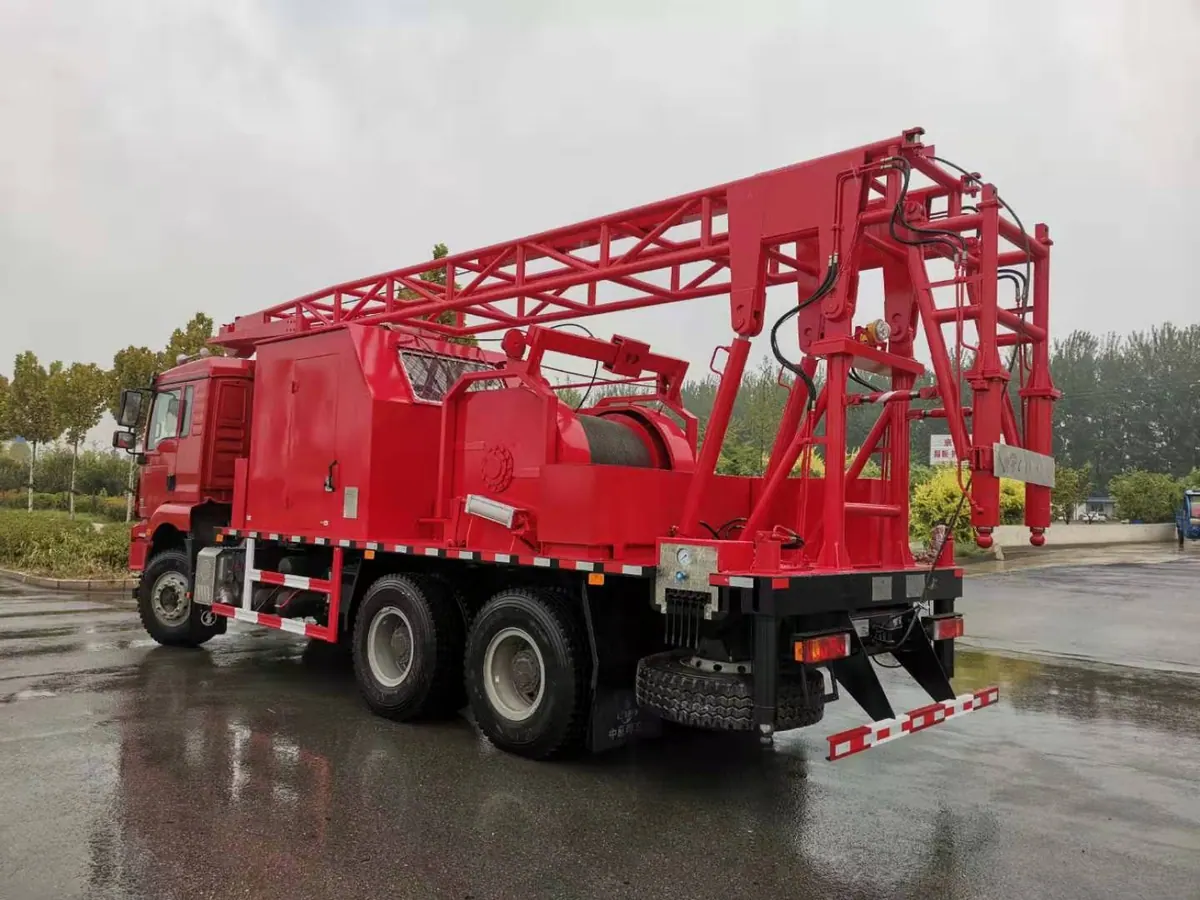
Record the existing well arrangement
Collect controlled drawings and equipment identifiers for the surface arrangement relevant to the support task. Include changes made since original installation and dimensions still needing survey. Ask the responsible supplier and project designers to identify the data needed for their reviews. A familiar wellhead model or a photograph alone does not establish the interfaces required by the selected mechanism, and assumptions should not remain hidden in a fixed-price quotation.
Separate mechanical and fluid interfaces
Identify where forces, torque, motion or fluid connections pass between the truck and other equipment. State the supported mechanism and operating cases at those boundaries. Do not use one pressure or connection figure as a substitute for the mechanical review. A pumping-drive arrangement and a direct-transfer arrangement can involve different interfaces and responsibilities even when both are described commercially as mobile production support.
Define pressure-control and well responsibilities
Ask the responsible project parties to identify the well-control and pressure-containing equipment required by the actual work. State which items are supplied with the truck and which remain external. Do not assume that a mobile production vehicle includes a complete well-control barrier system. Procurement documents should require the agreed project review and interface evidence without publishing generic field procedures or transferring operating assumptions from a different well or service configuration.
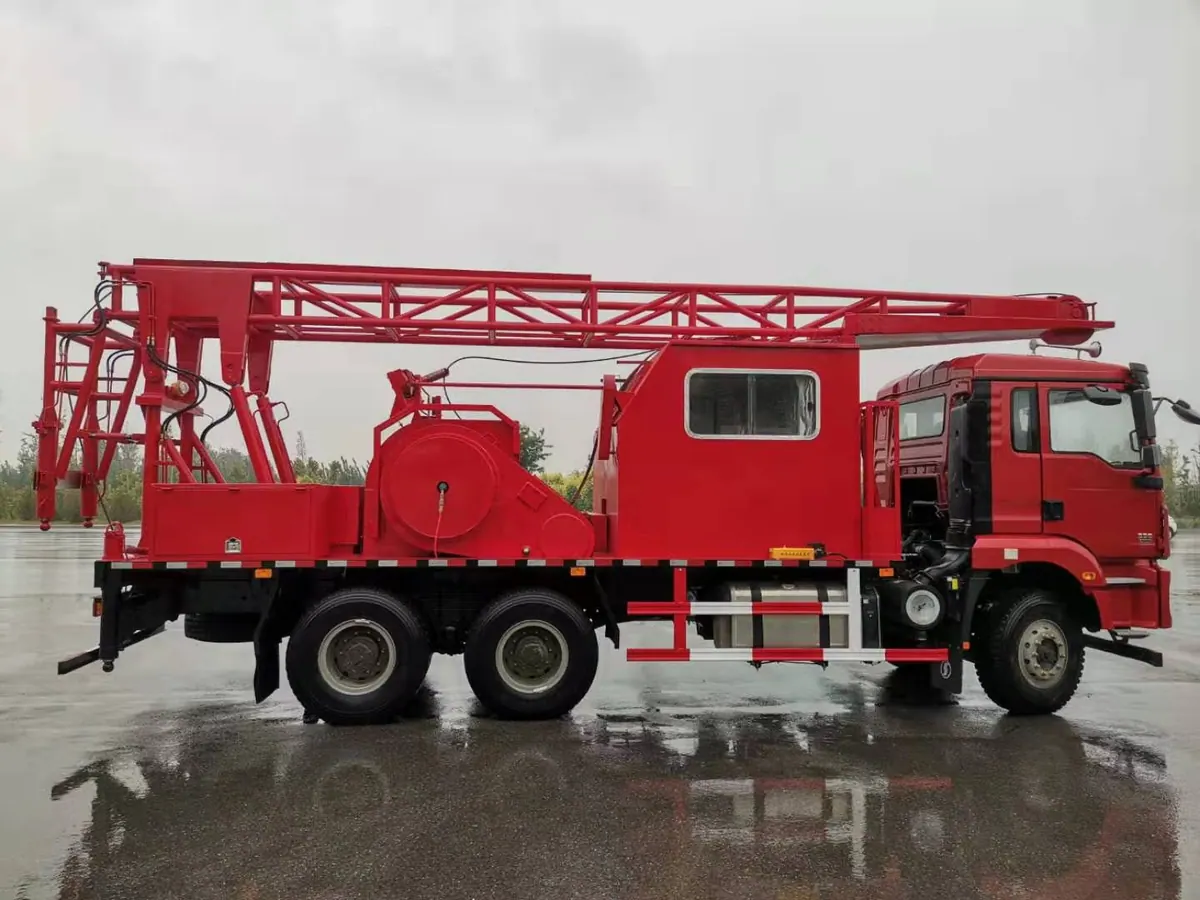
Control adapters, supports and allowed loads
Request drawings for proposed adapters, supports, connections and the permissible loads relevant to the selected arrangement. Assign design and approval responsibilities before manufacture. Physical fit does not establish acceptable loading, material compatibility or suitability for every operating state. Identify changes needed at the existing installation and price them explicitly; an apparently direct connection can still depend on engineering or purchaser-supplied components outside the truck vendor scope.
Verify the accepted installation boundary
Agree dimensional checks, connection identification, installation records and site acceptance responsibilities appropriate to the actual equipment. Request the supplier instructions and final drawing revisions. Where field conditions differ from the approved survey, obtain the required reassessment before accepting a modification. Keep the installation evidence connected to the delivered truck configuration rather than relying on a general declaration of wellhead compatibility or an isolated factory demonstration.
Maintain one interface register
List each mechanical and fluid connection with the drawing revision, accepted duty, supplier boundary and responsible approval. Mark unverified dimensions and proposed changes clearly. Ask every bidder to respond to the same register so compatibility claims can be compared on evidence rather than wording. Preserve the final record through delivery and commissioning, and use it when planning later redeployment. A different well arrangement should trigger an interface review instead of being accepted because the same truck was used elsewhere previously.
Put these items side by side in the bid review
| Purchase item | Question to resolve | Evidence to request |
|---|---|---|
| Identification | Which existing arrangement was surveyed? | Controlled site data |
| Loads | Which mechanical and fluid boundaries are accepted? | Interface and load review |
| Changes | Who approves adapters and site work? | Priced responsibility register |
Suggested wording for the quotation request
Please review the attached well arrangement and interface register for the proposed production-support mechanism. Identify required mechanical and fluid connections, allowed loads, pressure-control boundaries and purchaser-supplied equipment. Provide controlled drawings for adapters and supports, list unverified dimensions and proposed modifications, and state inspection and installation acceptance responsibilities. Do not claim universal wellhead compatibility without the configuration-specific interface and project reviews.
Review the mobile truck as a defined production-support package, not as an automatically complete well-testing station. Identify the selected pumping method, drive interfaces, mechanical duty, fluid path and external receiving equipment. Separation, custody measurement, gas handling and other site services require their own reviewed scope when needed. Keep drawings, load cases, utilities and acceptance records tied to the ordered configuration. Installation and operation must follow supplier instructions and approved site procedures; a purchasing comparison does not replace the project engineering or authorize a different well duty.
For the wider equipment scope, consult the Mobile Oil Production Truck: Commissioning Guide. Use the RFQ checklist to collect the supporting documents before requesting a configuration-specific quotation.
Buyer questions
Does matching nominal connection size prove compatibility?
No. Check the actual interface, loading, materials, operating cases and required project approvals.
Should well-control equipment be assumed part of the truck?
No. Define and verify that scope separately for the actual work and agreed equipment arrangement.
Background and supplier contact
OSHA oil and gas extraction guidance offers related background, not certification of the equipment in a quotation. Applicability must be checked for the project and destination.
Explore the mobile oil production support truck, browse all technical resources, or visit Vance Petroleum for company information. Request a production-support proposal with the well duty, drive requirements and external handling scope.