Use condition-based checks around a fixed maintenance schedule
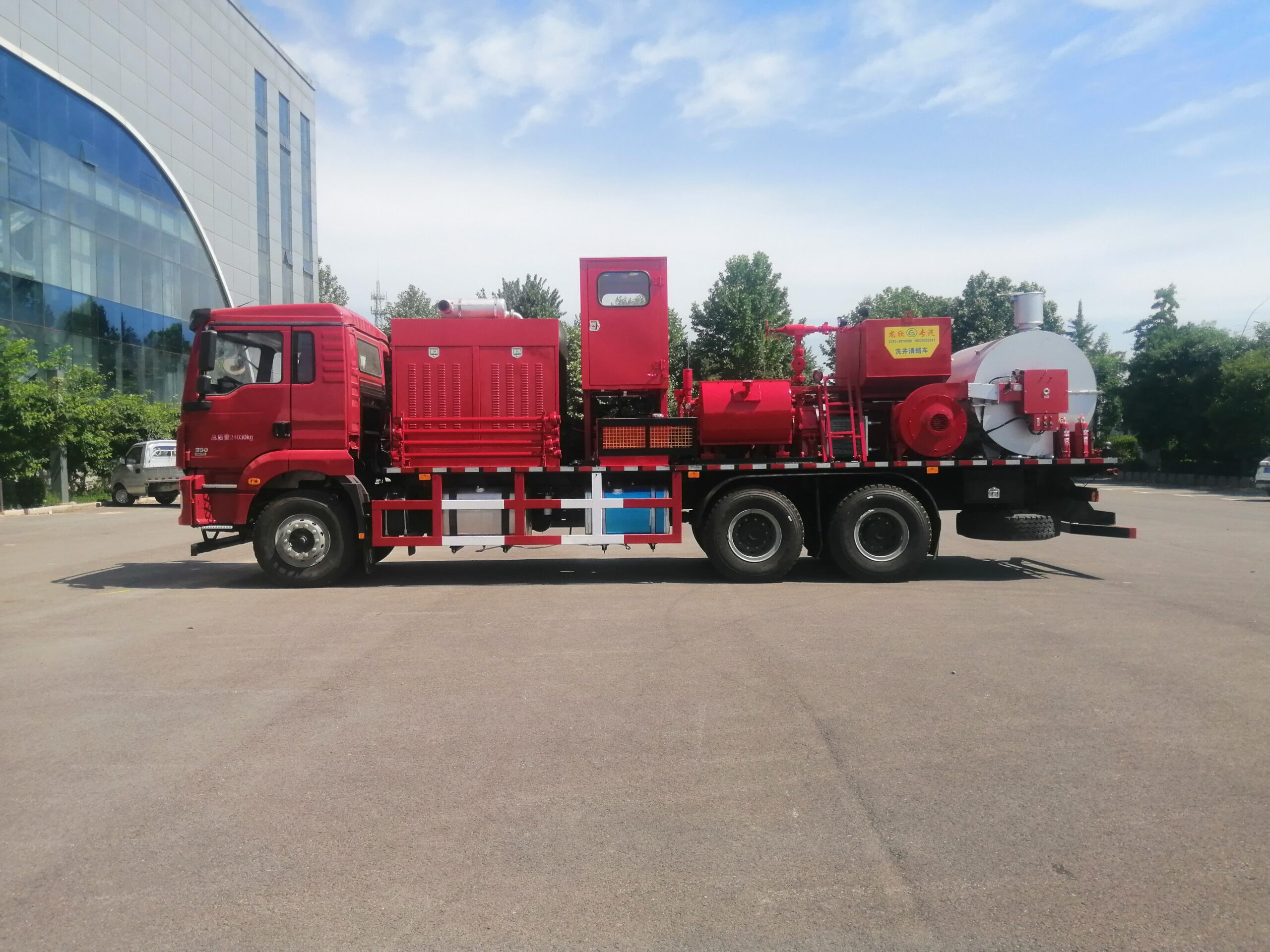
The mobile oil production truck works in a demanding combination of vibration, dust, weather, transport loads and intermittent high duty. Preventive maintenance should combine calendar intervals, operating hours, job cycles and condition trends. The objective is not simply to replace parts; it is to detect changes before they affect providing transportable separation, metering and temporary production capacity during early field operations.
Start with the manufacturer manual and component instructions, then adapt intervals using actual service severity. Record pressure, temperature, vibration, oil condition, leakage and alarm history consistently so changes can be compared between jobs.
Practical inspection schedule
| Interval | Typical work | Control point |
|---|---|---|
| Before every job | Leaks, guards, hoses, instruments, fluid levels and visible condition of three-phase separator | Correct before mobilization |
| After every job | Clean, drain or purge; inspect filters, connections and abnormal residue | Record job hours and defects |
| Weekly or 50 hours | Lubrication, fasteners, belts/couplings and oil and gas metering package | Trend temperature and vibration |
| Monthly or 250 hours | Filters, calibration checks, safety devices and heating and pressure-control train | Function-test alarms and trips |
| Major service | Wear inspection, alignment, fluid analysis and truck-mounted piping and controls | Use condition and OEM limits |
Troubleshooting by symptom, not guesswork
| Symptom | Possible causes | First disciplined action |
|---|---|---|
| Output below target | Restriction, wear, incorrect speed, poor supply or wrong control setpoint | Verify instruments and inlet conditions before adjustment |
| High temperature | Low lubrication/cooling flow, overload, misalignment or fouling | Reduce load and find the heat source |
| Abnormal vibration | Loose mounting, imbalance, cavitation/pulsation, bearing or coupling issue | Stop if limits or trend demand it |
| Repeated alarm or trip | Real process excursion, failed sensor, wiring or setpoint problem | Do not bypass protection; test the loop |
Change one variable at a time and keep the unit inside safe limits. Verify the measurement before dismantling equipment. If a protection device operates repeatedly, treat the trip as evidence and investigate the initiating condition rather than increasing the setpoint.
Build a critical-spares list from failure consequence
Stock parts that combine meaningful failure probability with long delivery time or high downtime impact. For this package, start with service kits for three-phase separator, oil and gas metering package, heating and pressure-control train, truck-mounted piping and controls. Include seals, filters, sensors, relays, approved lubricants and the special tools needed to install them correctly.
- Identify every spare by manufacturer, model and drawing reference
- Separate commissioning, two-year operating and overhaul spares
- Store elastomers, electronics and lubricants within shelf-life limits
- Preserve large rotating or pressure components during storage
- Update inventory after every withdrawal and configuration change
Maintenance records that protect lifecycle value
Keep a history for each unit: serial numbers, job hours, operating envelope, inspections, alarms, repairs, parts fitted and calibration status. These records support warranty discussions and reveal whether repeated faults are caused by service severity, installation, operation or component selection.
After a major repair, complete a controlled return-to-service test. Verify guards, tools, fluid levels, rotation, alarms, shutdowns and leakage at low duty before moving toward the normal operating point.
Mobile Oil Production Truck project-specific engineering focus
Before commercial comparison, the buyer should define the evidence required to prove capacity, protection and maintainability. Maintenance planning should connect wear in the three-phase separator with changes in expected liquid and gas rates, then compare that evidence with the condition of the oil and gas metering package. Inspection of the heating and pressure-control train protects performance during early production, while verification of the truck-mounted piping and controls is especially important before remote well cleanup.
Use the four intended duties as separate review cases: early production, remote well cleanup, temporary facility bypass and production allocation testing. For each case, record the starting condition, target output, operating duration, expected variation and shutdown condition. This exposes whether a shared configuration is genuinely suitable or whether a different control range, material, auxiliary system or connection set is needed.
three-phase separator with oil and gas metering package
Review their operating envelopes together. Capacity on one side is not useful if the connected subsystem cannot supply, transmit or control the same duty.
heating and pressure-control train with truck-mounted piping and controls
Define monitoring, protection, calibration and maintenance access as part of the package acceptance criteria rather than optional details.
The RFQ should therefore carry a project data sheet, interface drawing and deviation schedule. That combination gives the manufacturer enough information to explain the design and gives the buyer a consistent basis for technical evaluation, factory testing and later commissioning.
For broader industry context, consult OSHA oil and gas extraction safety guidance. Project requirements and applicable codes must still be confirmed for the destination country and end user.
Frequently asked questions
How often should a mobile oil production truck be serviced?
Use the manufacturer intervals, then adjust by operating hours, job cycles, environment and condition trends. Pre-job and post-job inspections remain essential.
What spare parts should be kept on site?
Prioritize seals, filters, sensors, service kits and other items with long lead time or high downtime consequence for the installed component models.